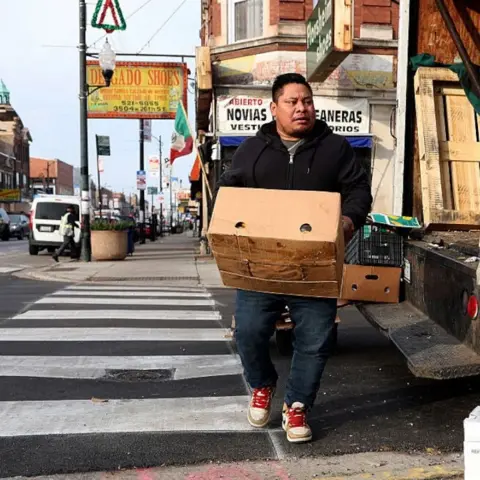
For weeks, all eyes have been on Minneapolis, where unrest has erupted following the killing of two citizens by immigration agents. But in Chicago's Little Village, the fear of ICE raids has reshaped daily life and commerce, leading to alarming economic downturns in a neighborhood once brimming with activity.
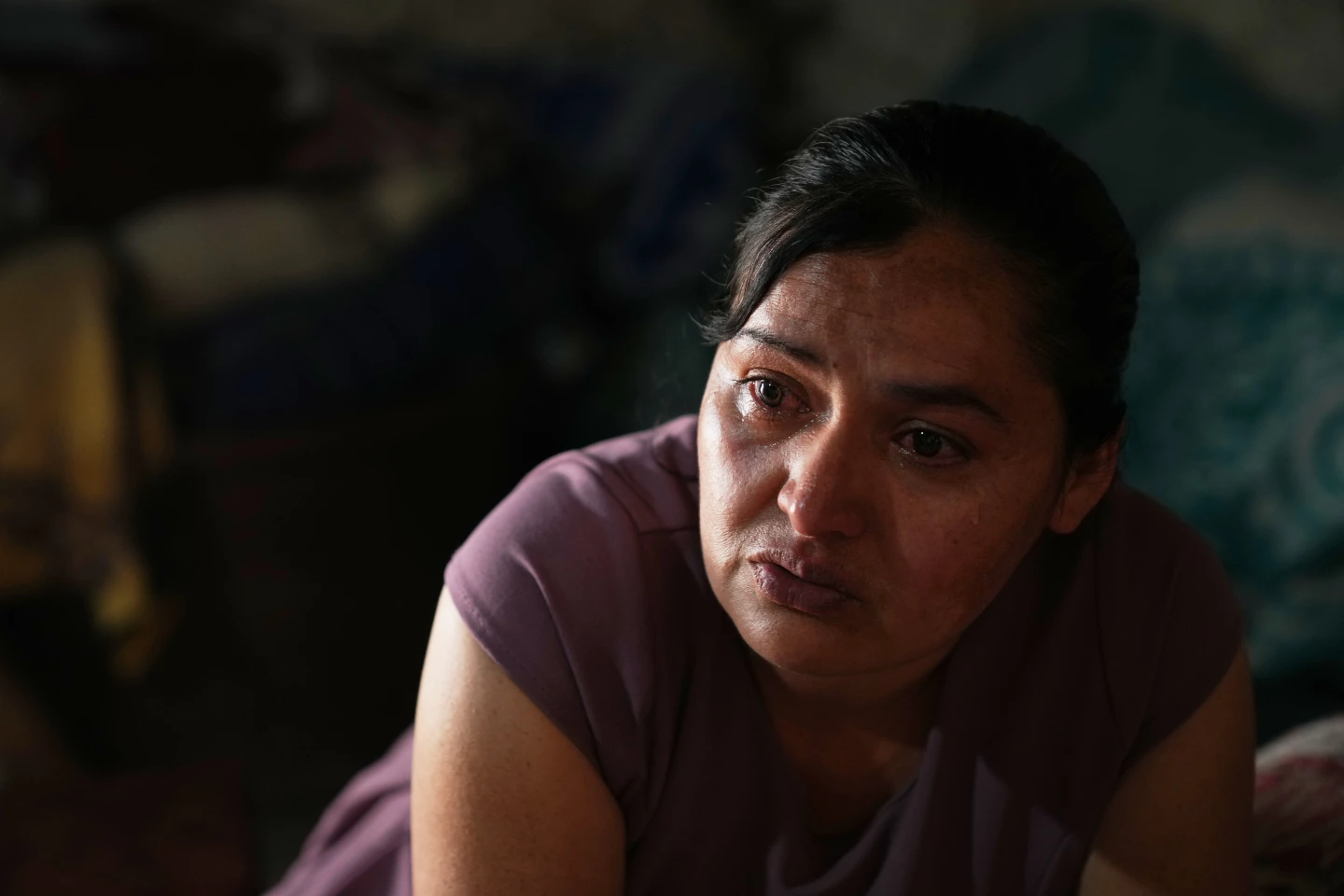
Known as the ‘Mexican Magnificent Mile,’ Little Village now lies quiet, with local shopkeepers like Carlos Macias of Carniceria y Taqueria Aguascalientes noting a drastic drop in sales—down half during the week—with customers reluctant to spend money. Macias recalls a raid on his own establishment, instilling deep-seated fear among community members who witnessed agents dressed in balaclavas equipped with firearms. This atmosphere of fear dissuades many from venturing out, radically stifling business and economic activity in this Chicago neighborhood.
As a response to the ICE raids, which began under the Trump administration's Operation Midway Blitz, local officials have noted a 60% drop in sales for numerous businesses. Alderman Michael Rodriguez reports that local eateries and shops now see fewer customers, as many residents opt to stay home rather than risk encountering immigration enforcement. The economic impact echoes far beyond the neighborhood, threatening the region's tax revenue and overall economic health.
Despite initiatives like the 'Shopping in Solidarity' program, aiming to encourage local shopping and community support, business owners report the environment remains tense. Residents fear arrest and deportation, further fracturing community ties and threatening the livelihood of local businesses that employ many within the area. The dramatic shift in climate—marked by declining foot traffic and closing shops—has painted a desolate picture of once-thriving Little Village.
The conditions starkly contrast the vibrancy that characterized the area just months ago, spotlighting the urgent need for dialogue on immigration reform and community support as local leaders call for unity and resilience among residents in the face of ongoing enforcement actions.