India's Weight-Loss Drug Revolution: A Double-Edged Sword
In the bustling urban centers of India, the call for weight-loss drugs is resonating louder than ever, particularly among young professionals battling obesity and lifestyle-related health issues. Increasingly, doctors are confronted with requests that extend beyond traditional diabetes management to weight loss interventions. The stark reality is that India's epidemic of obesity, along with over 77 million people suffering from Type 2 diabetes, has set the stage for a burgeoning market in weight-loss pharmaceuticals.
Emergence of New Treatments
Dr. Rahul Baxi, a diabetologist in Mumbai, has witnessed a significant surge in consultations from patients seeking weight-loss drugs. He recounts a recent visit from a 23-year-old client, who was eager to jump onto the weight-loss drug bandwagon after a noticeable weight gain from the stress of his corporate job.
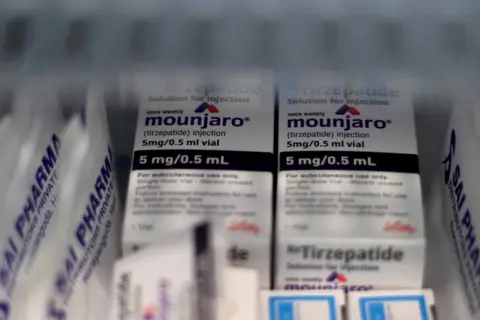
As expectations evolve, the medical community is cautious. Drugs like semaglutide, marketed as Rybelsus and Wegovy, alongside tirzepatide (Mounjaro), are reshaping the landscape of obesity treatment. These medications are lauded for their efficacy in reducing weight; however, concerns regarding dependency and lack of lifestyle changes loom large. Dr. Baxi emphasizes that these drugs cannot serve as a substitute for sustained health strategies including proper diet and exercise.
Exploding Market and Rising Risks
The Indian weight-loss drug market has experienced a meteoric rise from a mere $16 million in 2021 to nearly $100 million today. Novo Nordisk and Eli Lilly lead this charge, with prices for monthly injectable pens ranging from $157 to $300, placing them out of reach for many. The hype surrounding these drugs has given rise to risky behaviors, including reliance on unauthorized prescriptions from gym instructors and beauty practitioners.
Doctors warn that the ease of access can lead to misuse, as individuals seek rapid results without medical supervision. The side effects, ranging from gastrointestinal issues to more severe health risks, further necessitate careful management by healthcare professionals.
Changing Perceptions and Approaches
Despite the rising obsession with weight loss, there remains a significant gap in societal understanding regarding obesity as a chronic disease. Experts advocate for a shift in perspective, treating obesity with the same concern as other health conditions such as diabetes or hypertension. As awareness grows, the discussion is slowly transitioning from stigmatizing weight gain to recognizing the complexities of obesity.
With the upcoming expiration of semaglutide's patent in March, the market may witness an influx of generic alternatives, potentially making these drugs more affordable but also increasing the chances of misuse.
While the medical field adapts to these new dynamics, experts caution against using weight-loss drugs merely for cosmetic reasons. As the landscape evolves, a holistic, integrated approach towards obesity, encompassing diet and exercise alongside medical intervention, emerges as the key to successful long-term management.