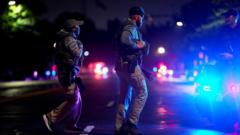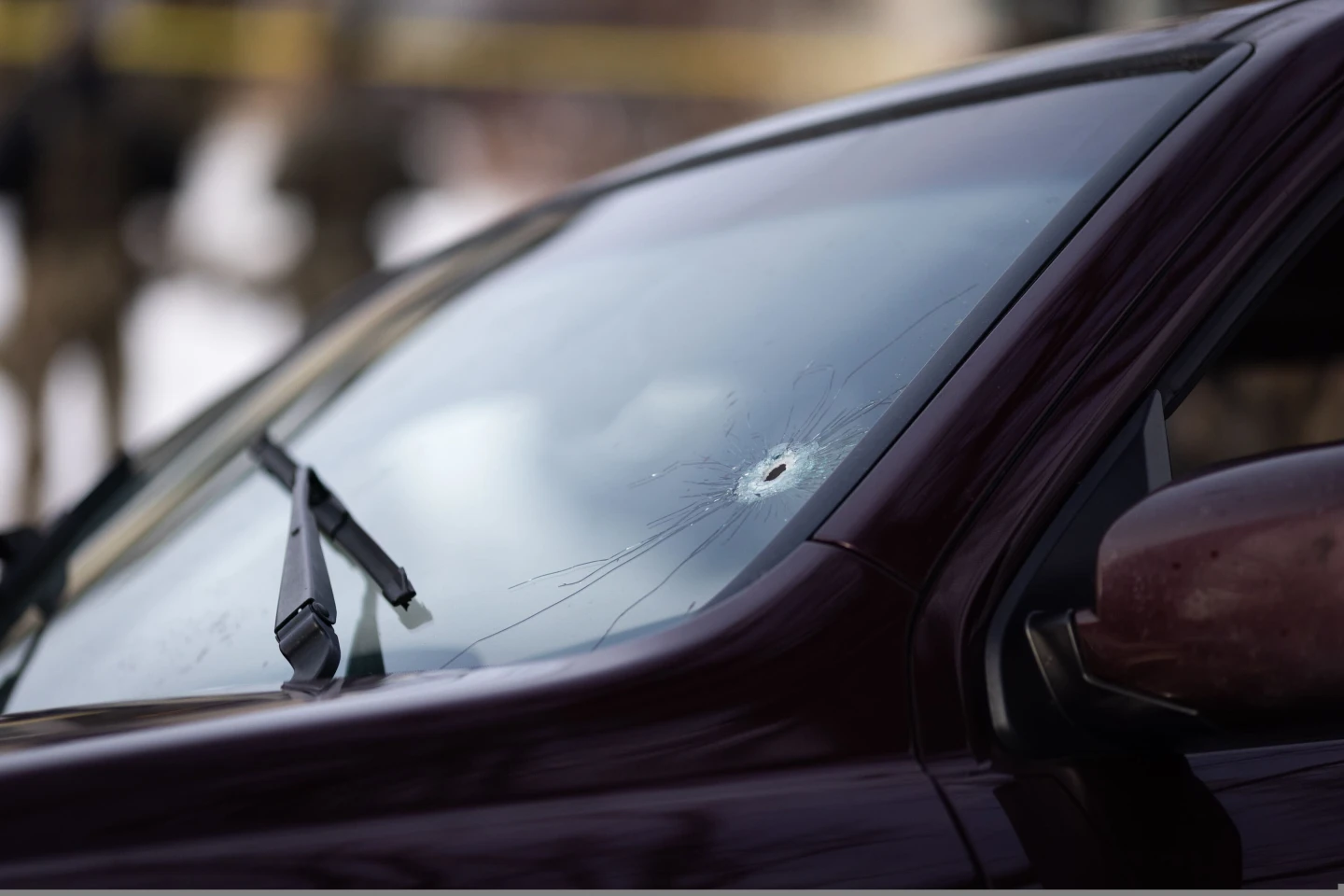
MINNEAPOLIS (AP) — A federal immigration operation in Minneapolis turned deadly this week when a U.S. Immigration and Customs Enforcement officer shot and killed 37-year-old Renee Nicole Good during a confrontation involving her vehicle.
Cellphone video captured the shooting, which federal officials claimed was an act of self-defense but that the city’s mayor described as reckless and unnecessary. Video shows an ICE officer approaching Good’s SUV stopped in the road as the vehicle begins to move forward. Another ICE officer standing in front of it draws his gun and fires at close range as he jumps out of the way.
When can officers fire at a moving vehicle?
There is no universal training standard for law enforcement. Most police departments, along with federal guidelines, bar shooting at a moving vehicle unless the driver poses an imminent threat of deadly force beyond the car itself.
Why are shootings at vehicles restricted?
Experts indicate that firing at a moving car is one of the riskiest forms of lethal force, heightening the potential for stray gunfire or loss of vehicle control that can endanger bystanders.
Are officers expected to move out of the way?
Yes. Justice Department policy states that deadly force is only allowed when no reasonable alternative exists, including stepping out of the vehicle’s path.
Can officers use deadly force just to stop or arrest someone?
No. Policies generally assert that officers cannot utilize deadly force solely to arrest someone or to disable a fleeing vehicle if the individual does not pose an immediate threat.
Do federal immigration agents follow different rules?
Not fundamentally. ICE and other federal officers operate under similar Justice Department guidance that limits gunfire at vehicles, although federal agents have additional legal protections when acting within their official duties.
What is ICE’s policy?
The Department of Homeland Security, overseeing ICE, permits deadly force only when an officer reasonably believes someone poses an imminent threat of death or serious injury.
Who investigates these shootings?
Federal agencies conduct internal reviews, and state and local authorities may also pursue criminal investigations. Federal agents are not immune from prosecution if they act outside their authority. The FBI is leading the investigation into the Minneapolis shooting.