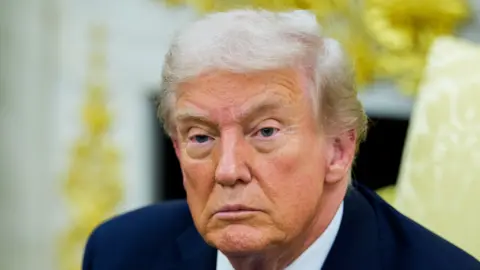
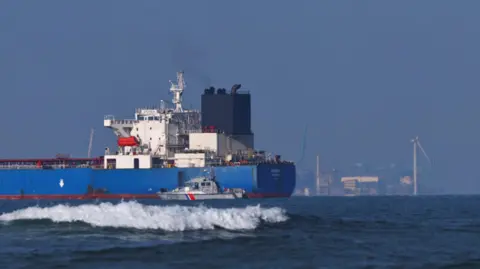
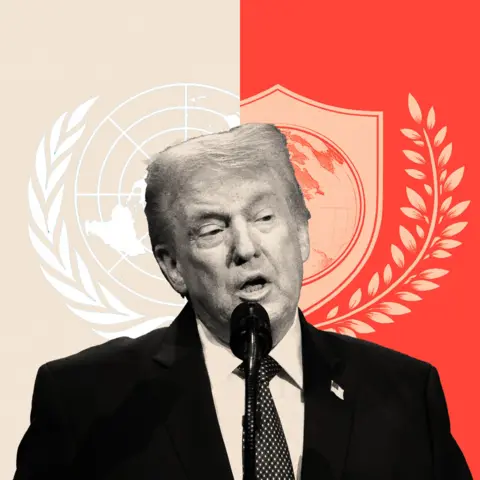
The U.S. will 'run' Venezuela until a 'safe, proper and judicious transition' can be ensured, Donald Trump announced after U.S. military operations led to the arrest of President Nicolas Maduro. Trump indicated that American oil companies will be tasked with fixing the country's 'broken infrastructure' to revitalize its economy.
The military actions occurred early Saturday morning, resulting in the capture of Maduro and his wife, Cilia Flores. Venezuela has declared a national emergency in response, with its vice president staunchly supporting Maduro as the legitimate leader.
Following their capture, Maduro and Flores were transported aboard the USS Iwo Jima and later to a U.S. detention facility, facing serious charges including drug trafficking and possession of weapons. Trump's administration aims to leverage Venezuela’s substantial oil reserves, which constitute about 20% of global supplies, to recover investment losses and stabilize the economy.
Maduro has consistently denied any wrongdoing, claiming the U.S. fabricates drug accusations to advance its political agenda. Responses from foreign leaders vary, with critics condemning the U.S. for its military actions while U.S. allies call for peaceful transitions.
This intervention marks a significant escalation in U.S.-Venezuela relations, built on a background of sustained pressure and military presence in the region. As the situation unfolds, the outcome could reshape the political landscape of both Venezuela and U.S. foreign policy.