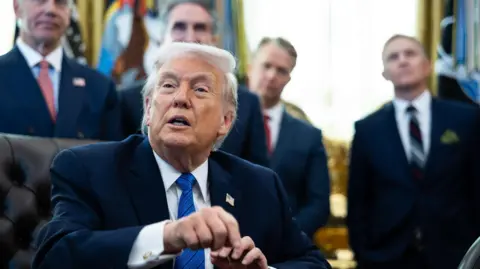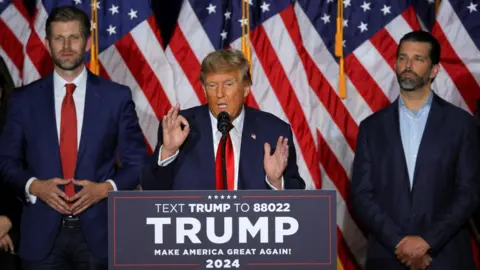
The structure of global power is experiencing significant upheaval as the world inches closer to a pre-World War II dynamic. In this shifting landscape, middle powers find themselves grappling with new challenges. The leadership of the United States, particularly under President Donald Trump, has leaned towards unilateralism, igniting debates on whether traditional alliances and the rules-based international order can withstand such changes.
Canada's Prime Minister Mark Carney pointedly remarked at Davos on the necessity for cohesion among middle powers to maintain their relevance and influence in global politics. His address resonated with many who recognize that not being involved means being subjected to the decisions of greater powers.
Furthermore, the reactions from European leaders following Trump's comments regarding NATO and American dominance highlight the shifting dynamics of trust and cooperation that once defined transatlantic relations. Such remarks, perceived as dismissive, signal an urgent need for allies to unite and redefine their place in an evolving geopolitical order.
In a world marked by disparities in power, the middle powers have to respond collectively to ensure their interests are sustained and their voices heard, thereby mitigating the risks that come with isolation and disunity in times of transition.
Canada's Prime Minister Mark Carney pointedly remarked at Davos on the necessity for cohesion among middle powers to maintain their relevance and influence in global politics. His address resonated with many who recognize that not being involved means being subjected to the decisions of greater powers.
Furthermore, the reactions from European leaders following Trump's comments regarding NATO and American dominance highlight the shifting dynamics of trust and cooperation that once defined transatlantic relations. Such remarks, perceived as dismissive, signal an urgent need for allies to unite and redefine their place in an evolving geopolitical order.
In a world marked by disparities in power, the middle powers have to respond collectively to ensure their interests are sustained and their voices heard, thereby mitigating the risks that come with isolation and disunity in times of transition.