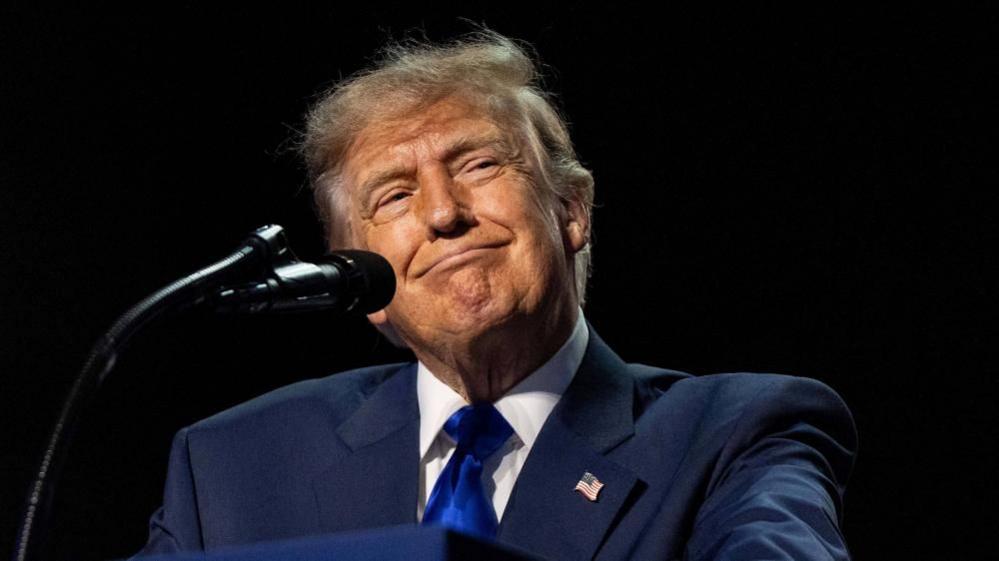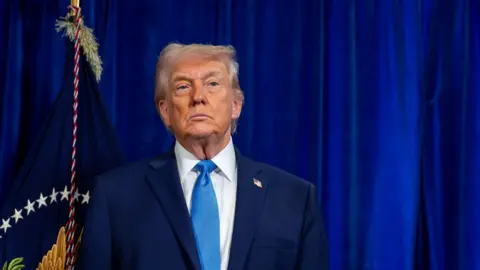
With the seizure of Venezuelan leader Nicolás Maduro, Donald Trump has demonstrated more powerfully than ever his belief in the power of his will, backed by raw US military force. On his orders the US has Maduro behind bars and now will 'run' Venezuela.
The US president made the announcement in a remarkable news conference with enormous implications for US foreign policy worldwide at his Florida club and residence, Mar-a-Lago. Trump said the US would be in charge in Venezuela 'until such time as we can do a safe, proper and judicious transition.'
US Secretary of State Marco Rubio, he said, had spoken to the Venezuelan Vice-President Delcy Rodríguez, who had told him 'we'll do whatever you need... She, I think, was quite gracious, but she really doesn't have a choice.'
Trump was light on detail. He said that 'we're not afraid of boots on the ground if we have to have [them].'
The evidence is that it will not be easy or smooth. The respected think tank, the International Crisis Group, warned that the fall of Maduro could lead to violence and instability in Venezuela, and reports indicated that the prospect of violent chaos loomed as armed factions competed for power.
The military operation is only the first stage, and America’s record of achieving regime change by force in the last 30 years has been disastrous. Trump's assertion of power in Venezuela raises concerns over the implications for international law and the left lingering questions about how this new power dynamic will reshape relationships with other nations, including potential repercussions for China and Russia.
Critics argue that this intervention sets a dangerous precedent, allowing authoritarian regimes to justify military actions against perceived enemies using similar reasoning. The global community watches closely as the ramifications unfold, with fears that the chaos may only grow in the coming months.