Vietnam sees a surge in counterfeit luxury goods, prompting a nationwide crackdown. Police seized more than 23,000 pairs of fake slippers bearing logos of Nike, Adidas, Crocs and Gucci from two warehouses in the outskirts of Ho Chi Minh City.
The knock‑offs, valued at roughly 2 billion Vietnamese dong (about $76,000), were sold in local markets for as little as $30 a pair, far below the authentic price of $900 overseas.
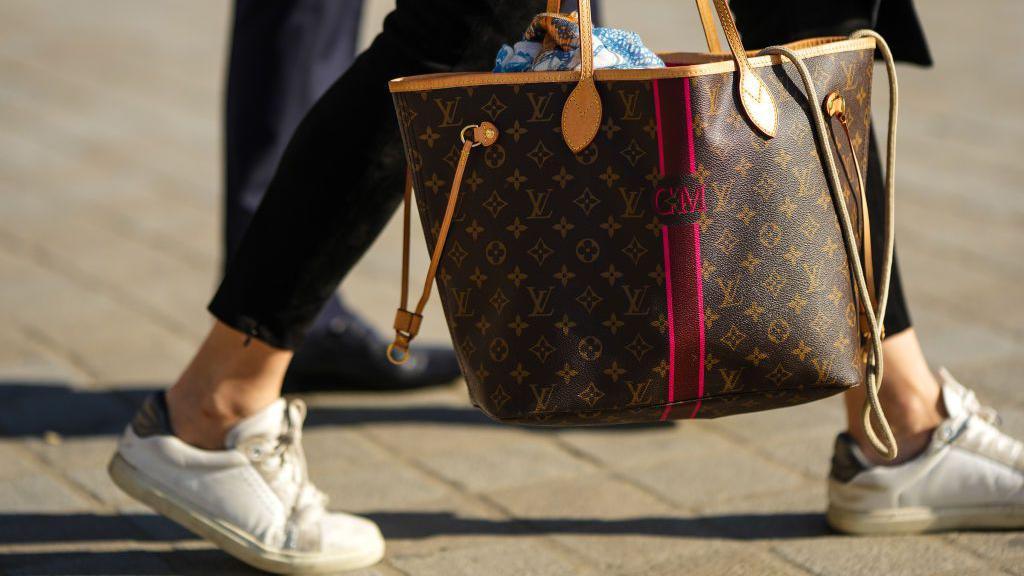
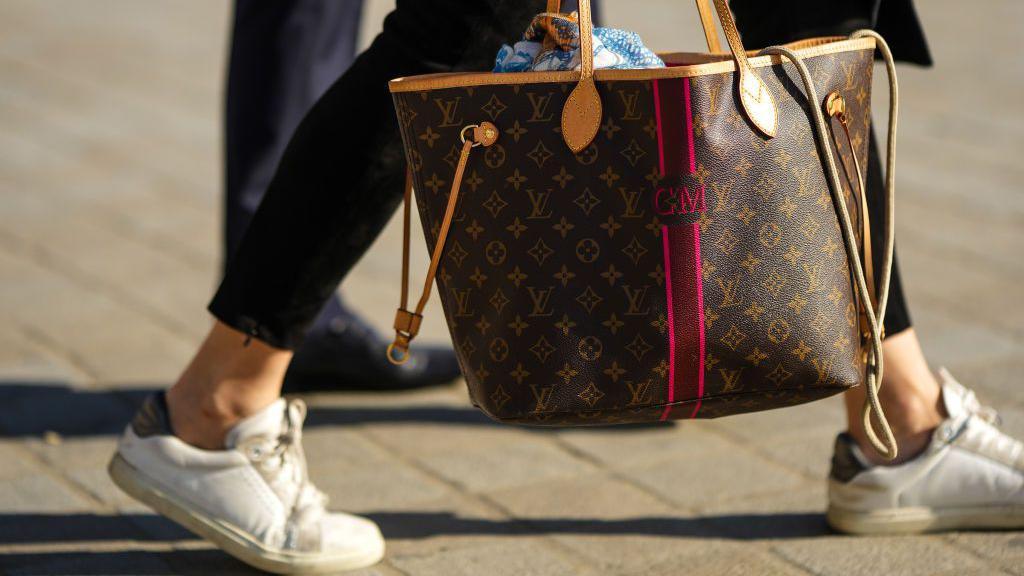
Vietnam has long been known globally as a cheap replica hotspot, with vendors selling counterfeit “Chanel” handbags, “Prada” T‑shirts and “Rolex” watches in cramped stalls. To combat the reputation, the government announced a nationwide anti‑IP campaign on 7 May and intensified raids in May and June, confiscating goods worth more than $19,000 and breaking a ring that made 10,000 fake jewellery items.
While authorities report more than 1,400 IP infringement cases handled in near‑continuous five‑hour blitzes, many local sellers claim that enforcement is merely a short‑term blow. Traders at Saigon Square warn that they often hide counterfeits behind legitimate branding, and some consumers in rural Vietnam still prefer fake items because real luxury is out of reach.
An academic from SKEMA Business School highlights that counterfeit fashion remains viable because of economic necessity: low‑income buyers can’t afford authentic brands, so they turn to cheaper fakes.
The crackdown is part of a broader international pressure from the U.S., which designated Vietnam a “priority foreign country” for persistent IP violations and called it the world’s worst offender in 2024. In response, Vietnamese authorities aggressively sharpened law enforcement tactics, but experts warn that counterfeit producers will adapt by tweaking designs and brands to stay just below legal thresholds.
One local businesswoman plans to raise her prices as fake vendors close shop, citing that a cleaner market will restore fairness and reduce confusion between genuine and counterfeit items. Yet many vendors, especially those targeting tourists, believe a ban will not eliminate demand, as the market could simply spread to new locations.
Overall, Vietnam’s crackdown on counterfeit luxurious goods is a significant shift that could impact international trade and local livelihoods, but the market’s persistence suggests a more nuanced and long‑term solution is required.