Vietnam’s counter‑feft crackdown rolls out nationwide
Vietnam police raided two warehouses outside Ho’i’chim City in January 2024 and uncovered more than 23,000 pairs of fake slippers sporting the logos of Nike, Adidas, Crocs and Gucci. The goods are estimated to be worth 2bn Věn ($76,053). The raid was part of a pricier plan to reduce an industry that has thrived for decades as a global hub for cheap knock‑offs of luxury goods.
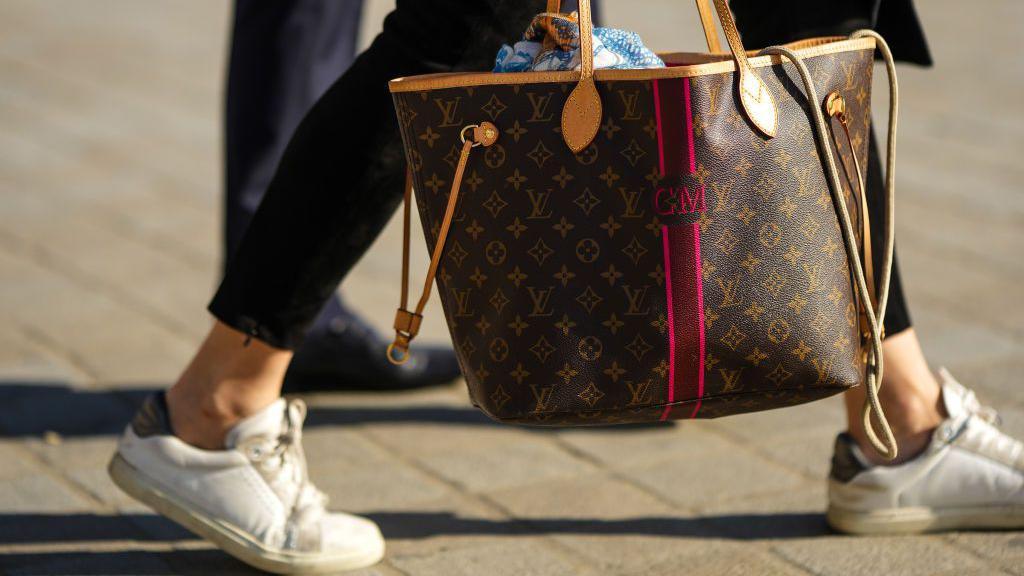
One of the biggest fake‑product hotspots is the tourist‑facing Ben Thanh Market, where the same style of counterfeit slipper, normally costing up to $900 in the export market, sells for as little as $30. The market also hosts the covers of "Chanel" handbags, "Prada" T‑shirts and "Rolex" watches.
The crackdown comes after the U.S. Office of the United States Trade Representative classified Vietnam as a "priority foreign country" for intellectual‑property violations, the first time in 13 years such a label has been applied. The U.S. chief trade representative called Vietnam "the world’s worst offender on IP rights".
Under the new policy, Vietnamese authorities pledge a 20% increase in busts of IP‑violating goods. In May, officials confiscated counterfeits from Saigon Square and Ben Thanh Market, issuing fines worth more than 19,000 USD. The next week, a police raid in Thanh’ Hoa province dismantled a ring that produced 10,000 counterfeit jewellery items worth more than $1.14m.
Trade reenforced the crackdown with investigations into how Vietnamese vendors are weaving counterfeits into the supply chain from northern China. In a statement, a vulgar vendor named Thanh Trôc said the police "are now focusing on high‑value products" and that "business is still continuing".
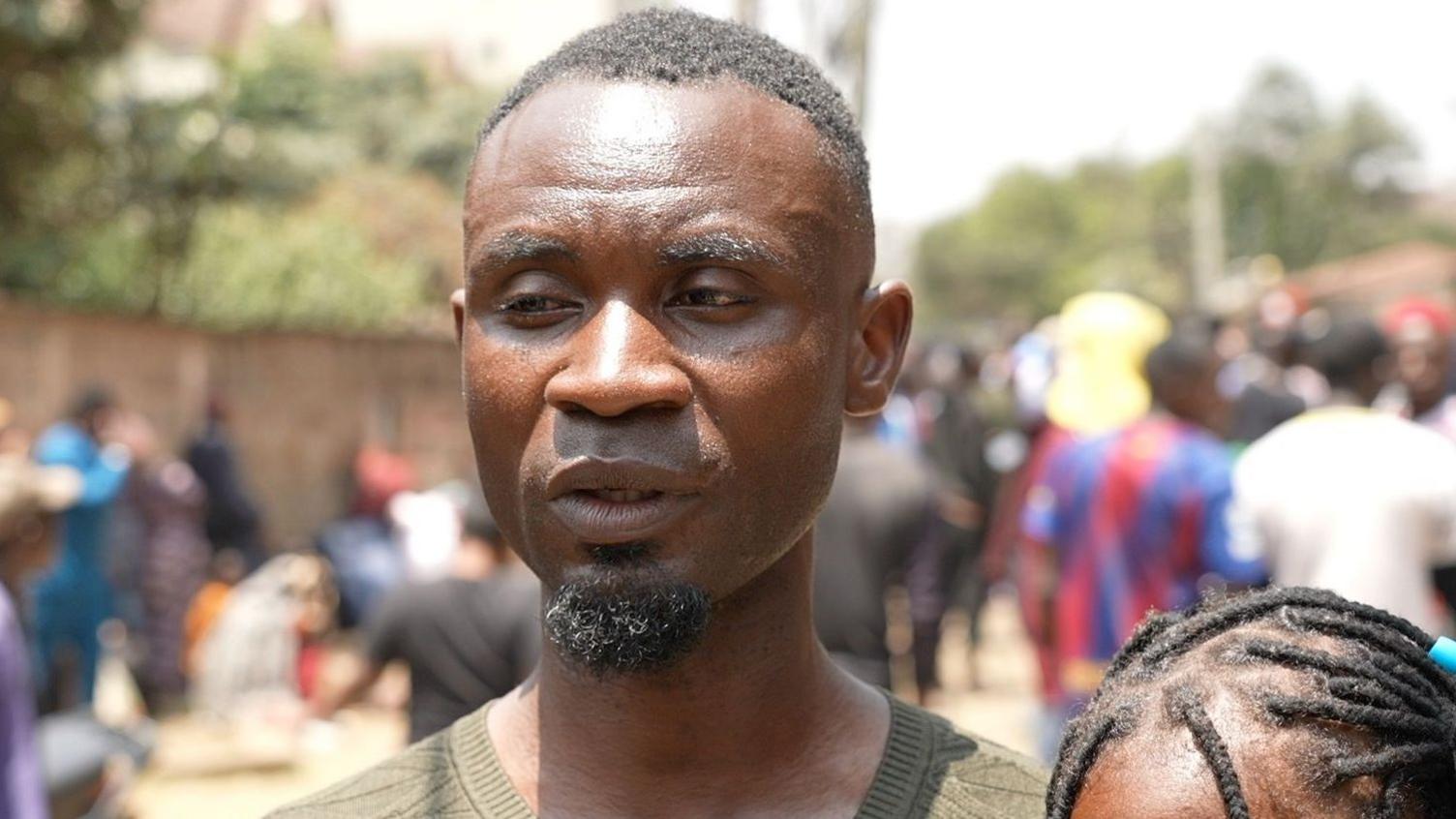
Yet it is not all a win for public image. A local hand‑tailor, Thi Nguyen, says that closing fake stalls creates an economic gap: "Customers buy counterfeit items for $75 but would pay $75 for a custom piece if it was authentic." Nguyen hopes the crackdown will encourage higher quality tailors. Meanwhile, a city man named Huy says the crackdown will not change his buying habits: "I prefer fake because it’s cheap, convenient and easy to buy".
Economist Thi Thanh Huong Tran argues that the counterfeit market is tightly linked to Vietnam’s low incomes. Even if their supply was more difficult to reach, luxury brands would lose minimal revenue because the average consumer cannot afford real items.
The government claims success: 1,400 IP infringement cases were handled in the last three weeks of May. Nonetheless, the market shows resilience: vendors shift designs, change brand names, and re‑enter the field. The question remains whether Vietnam can truly eliminate fakes or will merely be evolving.
With tighter U.S. pressure, the authority is stiffer. On June 10, Thanh’ Hoa police dismantled a jewellery ring; meanwhile, many market stalls in Ho’i’chim City and Hanoi closed. The crackdown has mixed economic impact: some factories invest in higher‑end design, whereas widespread counterfeits provide affordability for a significant segment of the population.