Global health programs are facing unprecedented disruptions as the Trump administration’s 90-day moratorium on foreign aid forces health initiatives to halt operations. Critical health initiatives, often funded through the U.S. Agency for International Development (USAID), are grappling with funding losses that impact their ability to provide basic healthcare.
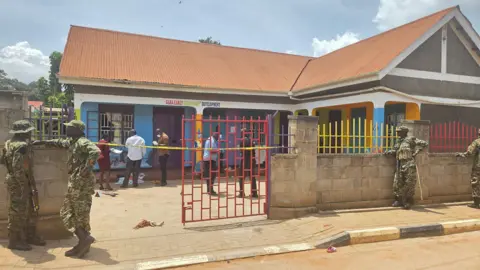
In Uganda, vital services such as the National Malaria Control Program have been significantly impacted. The program has ceased its efforts to spray insecticides in homes and has halted shipments of essential bed nets for vulnerable populations, including pregnant women and young children. Dr. Jimmy Opigo, director of the program, expressed deep concern over the ramifications of the halted funding.
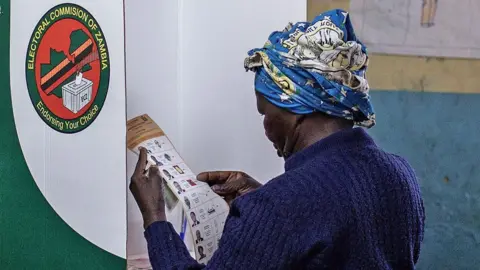
Similarly, in Zambia, medical supplies crucial for treating pregnant women and young children are stranded due to the stoppage of transportation funded by USAID. As a result, medications that prevent hemorrhages and rehydration solutions for severe diarrhea cannot reach at-risk villages. The repercussions are widespread, with numerous clinical trials on hold across South Asia, Africa, and Latin America. Thousands of participants in these studies now face uncertainty regarding their ongoing treatment and the future of their health.
Interviews with local researchers and program managers reveal a heartbreaking picture of the fallout. Many spoke under the condition of anonymity due to fears over their projects’ potential to resume. The emotional toll of halting decades of critical health work has been palpable, with many expressing distress over the rapid dismantling of progress they’ve spent years establishing.
The global health landscape stands on the brink, with immediate action required to address these disruptions and prevent further suffering. The consequences of foreign aid cessation are extending far beyond the financial realm, impacting countless lives reliant on these essential health interventions.