Scientists had anticipated a decline in polar bear health due to melting ice in the Norwegian Arctic archipelago of Svalbard, but findings reveal that bears have actually become fatter and healthier since the 1990s. This unexpected result comes as global temperatures have led to a decrease in sea ice, crucial for the bears' hunting practices.
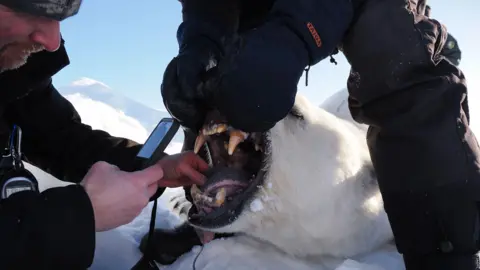
Polar bears rely heavily on sea ice to hunt seals, their primary food source. The fat reserves from these meals provide necessary energy and insulation, especially for mothers nursing cubs. However, researchers observed that a study involving 770 adult bears from 1992 to 2019 found significant increases in body fat and overall health.
The success of Svalbard bears appears to be linked to their adaptation to ice loss, shifting their diets to include more land-based prey, such as reindeer and walruses. Notably, walrus populations in Norway have recovered since the 1950s, providing an alternative food source for these predators.
Lead researcher Dr. Jon Aars stated, The fatter a bear is the better it is, expressing his surprise at the findings amid significant ice loss. As global temperatures have climbed, Svalbard has seen ice-free days increase by almost 100 in the last few decades, presenting a challenge for the bears' future survival.
While the current picture is seemingly positive, experts caution that this trend may be temporary as declining sea ice forces bears to expend more energy travelling further to find food. The study highlights a complex relationship between polar bear populations and their environment, indicating potential for regional variations in species survival.
As climate change continues to threaten sea ice stability, the long-term outlook for Svalbard's polar bears remains uncertain. Dr. John Whiteman from the Polar Bears International noted, Ice loss ultimately means bear declines, emphasizing the urgent need for ongoing conservation efforts to mitigate the impacts of climate change.