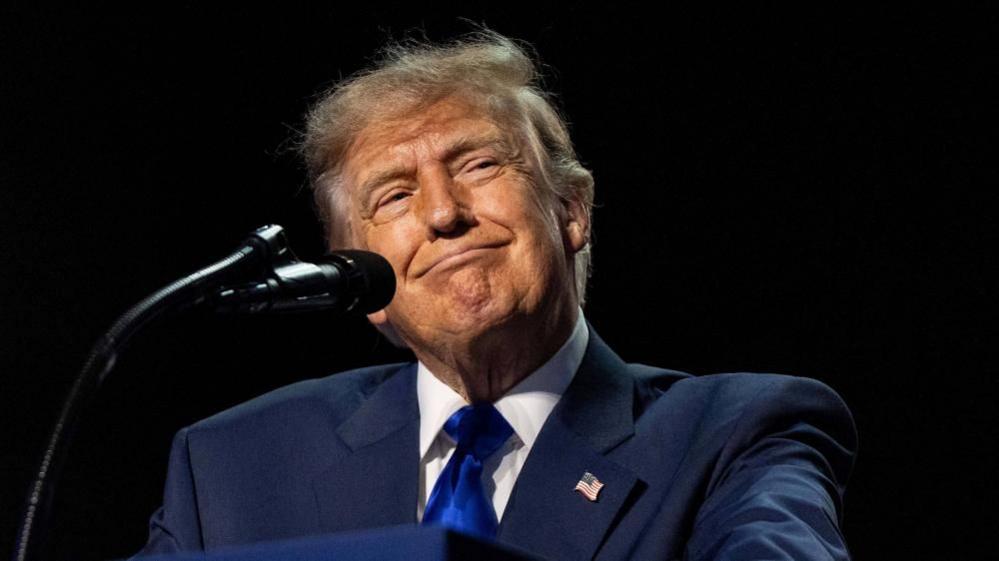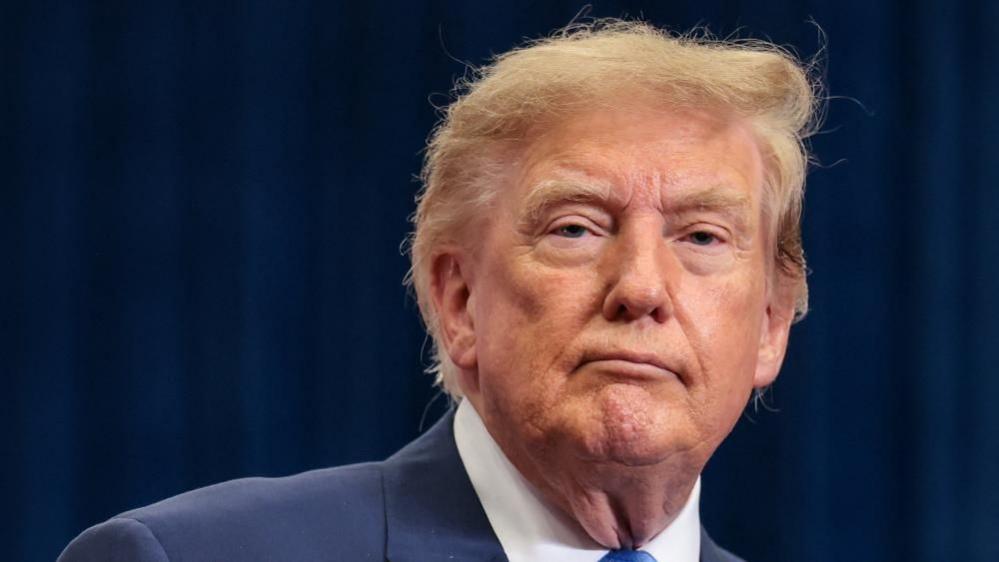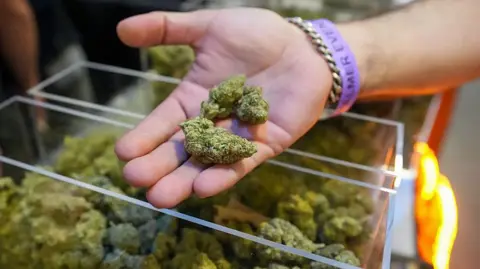
In a historic decision, President Donald Trump has signed an executive order expanding access to cannabis, marking a pivotal moment in U.S. drug policy. The new directive reclassifies cannabis from a Schedule I narcotic to a Schedule III drug, aligning it with substances like Tylenol with codeine.
While cannabis will remain illegal at the federal level, this reclassification allows for expanded research into its medicinal potential. During the signing ceremony, Trump emphasized that many Americans suffering from chronic pain and other medical issues have been advocating for this change.
Critics within the Republican Party voiced concerns that the shift could normalize cannabis usage and hinder efforts to industrialize the economy. An official mentioned that such a change indicated a significant evolution in government and societal views on cannabis.
President Trump urged collaboration with Congress to enhance public access to cannabidiol (CBD) and develop frameworks for assessing the health benefits and risks of cannabis products.
While many states have legalized cannabis for medical and recreational use, the drug’s historical classification has been a barrier to broader acceptance and research. Trump's order is viewed as a response to both public demand and political pressures to reform drug policies.
Experts hope this move will clarify the regulations surrounding cannabis, ultimately benefiting the burgeoning market and the health of countless citizens.