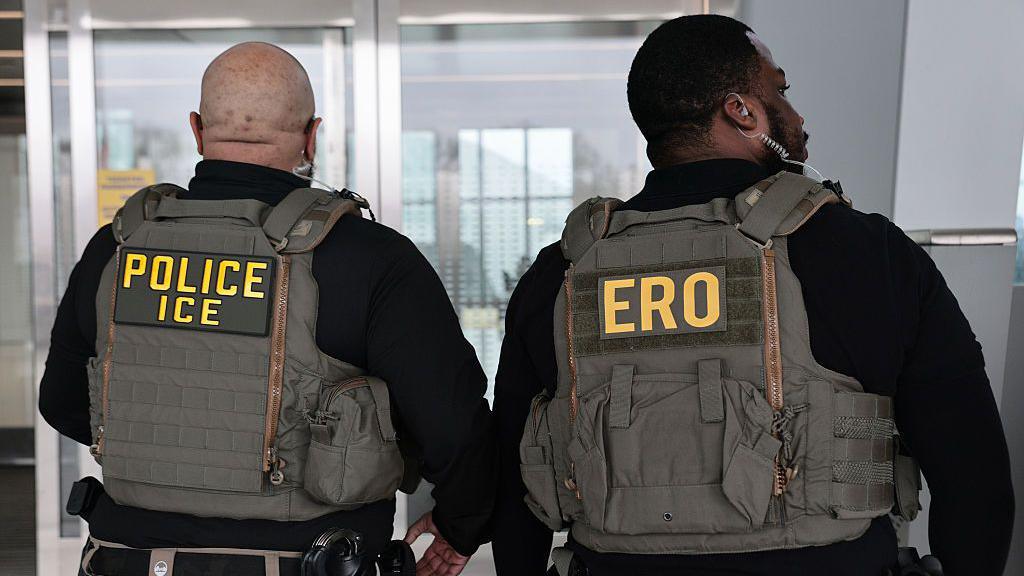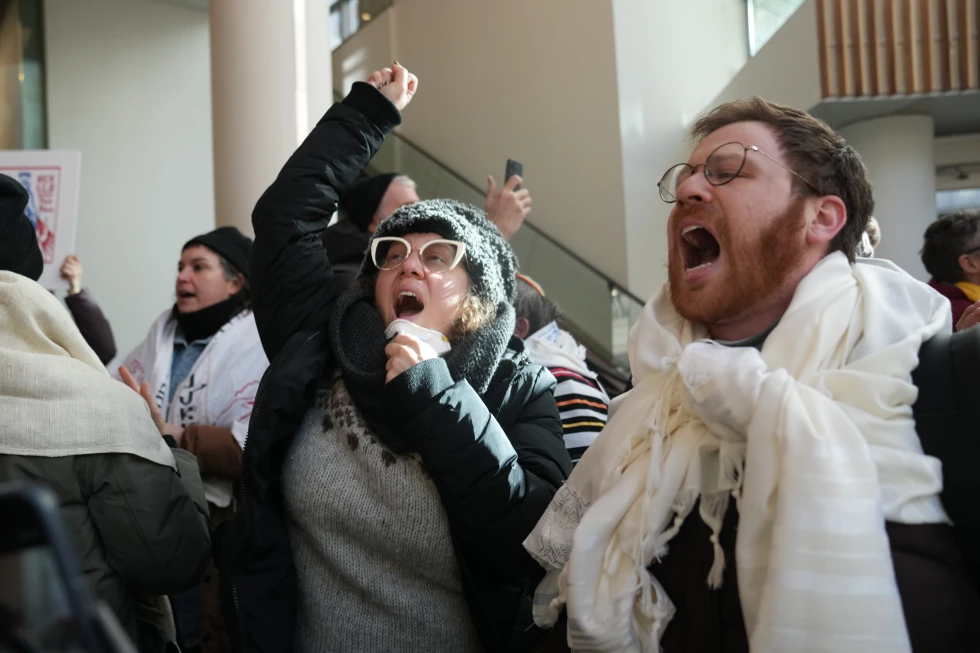
American religious history features many instances of protest movements and civil disobedience, but political demonstrations within places of worship are rare. The recent case involving anti-ICE protesters in St. Paul, Minnesota, stands out for this reason. Last Sunday, the group interrupted a service at Cities Church, a Southern Baptist congregation, where one of the pastors is affiliated with U.S. Immigration and Customs Enforcement (ICE). On Thursday, three of the activists were arrested on federal charges.
Charles C. Haynes, a senior fellow for religious liberty at the Freedom Forum, stated that disrupting a worship service is typically unlawful, and this may have been the activists' intention. He emphasizes that civil disobedience aims to draw urgent attention to crucial social causes. This historical approach has roots in the Civil Rights Movement, where such actions led to significant legislative changes.
Before their arrest, civil rights attorney Nekima Levy Armstrong, who identifies as a Christian, expressed on Facebook that “It’s time for judgment to begin in the House of God!” Such rhetoric illustrates the complex intertwining of personal faith with activism.
Disruptions in worship have historical precedents, with radical movements often challenging established religious norms. For instance, the AIDS Coalition to Unleash Power (ACT UP) famously disrupted church services in New York in the late 1980s to protest the Catholic Church's response to the AIDS crisis. These disruptions raise concerns over the sanctity of worship places, with legal scholars noting the ever-present tension between the rights of protesters and the rights of worshippers.
Some religious leaders, while denouncing current immigration policies, feel unsettled about protests within houses of worship. Brian Kaylor, of the Cooperative Baptist Fellowship, expressed his internal conflict over the act, urging the need to protect the sanctity of sacred spaces.
The three anti-ICE protesters involved in the recent St. Paul incident are facing serious implications under laws meant to protect civil rights, originally enacted to counter violent groups targeting constitutional freedoms. This law carries potential penalties of up to ten years in prison, placing substantial legal consequences on acts of civil disobedience within sacred environments.
The broader context of this incident reflects a growing pattern where houses of worship are caught in the crossfire of ideological battles, highlighting the urgent need for dialogue surrounding the limits of protest, the integrity of sacred spaces, and the struggles for justice and equality.