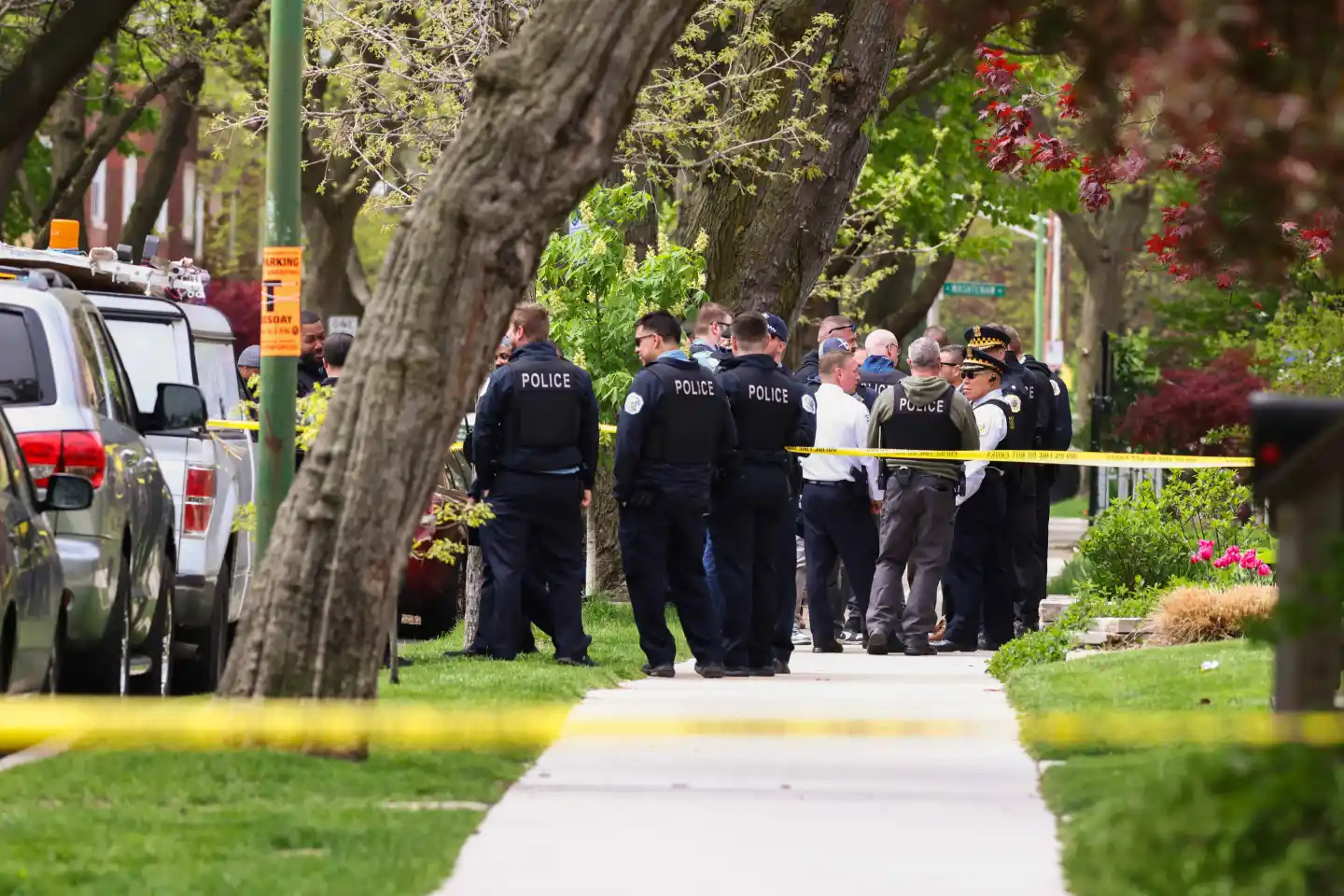
For weeks, all eyes have been on Minneapolis where the anger at the killing of two US citizens by federal immigration agents has turned the Midwestern city into a sea of unrest. President Donald Trump has pledged to 'de-escalate' the situation, while Tom Homan, the new head of ICE, suggested a potential 'drawdown' in operations. However, in Chicago, the focus has shifted as local immigration enforcement significantly increased, notably through Operation Midway Blitz, which began last September to target 'criminal illegal aliens.' This operation has instilled a palpable fear among residents and shifted the previously bustling Little Village, known as the 'Mexican Magnificent Mile', into a deserted expanse where businesses thrive less than ever.
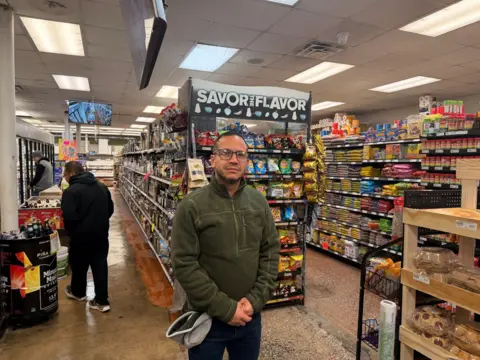
Carlos Macias, owner of a local grocery store, reports a 50% drop in sales as fears of raids keep customers indoors. Similar stories echo through the neighborhood, where reports suggest a 60% dip in sales among local eateries and shops.
Local officials, including Alderman Michael Rodriguez, highlight the economic impact of these operations, stating the decline of consumer presence could ripple through Chicago's economy given the significance of Little Village.
As people remain indoors, community initiatives like 'Shopping in Solidarity' are being promoted to encourage local shopping and revitalize the economy, emphasizing the importance of supporting local businesses amidst these challenges.
Despite the sentiments surrounding enforcement, some community members stand by the raid initiatives, attributing local crime issues to undocumented immigrants. As debates rage on, the prevailing sentiment among business owners highlights the struggle to stay afloat in an environment increasingly devoid of customers and the fear that both residents and vendors face daily under the shadow of ICE raids.
Carlos Macias, owner of a local grocery store, reports a 50% drop in sales as fears of raids keep customers indoors. Similar stories echo through the neighborhood, where reports suggest a 60% dip in sales among local eateries and shops.
Local officials, including Alderman Michael Rodriguez, highlight the economic impact of these operations, stating the decline of consumer presence could ripple through Chicago's economy given the significance of Little Village.
As people remain indoors, community initiatives like 'Shopping in Solidarity' are being promoted to encourage local shopping and revitalize the economy, emphasizing the importance of supporting local businesses amidst these challenges.
Despite the sentiments surrounding enforcement, some community members stand by the raid initiatives, attributing local crime issues to undocumented immigrants. As debates rage on, the prevailing sentiment among business owners highlights the struggle to stay afloat in an environment increasingly devoid of customers and the fear that both residents and vendors face daily under the shadow of ICE raids.