For academics, historians, and activists, the past year has been tumultuous in advocating the teaching of Black history in the United States. Despite last year proclaiming February as National Black History Month, political forces have challenged the narrative in alarming ways. President Trump, starting his second term, accused some African American history lessons of indoctrination, contributing to a climate of uncertainty among educators.
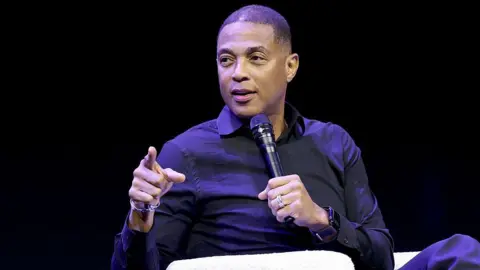
'“States and cities are nervous about retribution from the White House,' said DeRay Mckesson, executive director of Campaign Zero, an organization focused on police reform. 'So even the good people are just quieter now.'
As the 100th anniversary of Black History Month approaches, celebrations continue, energizing civil rights organizations to foster awareness among the youth. Hundreds of events, lectures, and teach-ins will mark this milestone, alongside the release of new educational materials emphasizing the importance of Black history.
'“We are working with over 150 teachers on a Black History Month curriculum to ensure that young people continue to learn about Black history intentionally,' Mckesson shared.
A notable effort is the launch of 'First Freedom: The Story of Opal Lee and Juneteenth,' a graphic novel by Angélique Roché. It recounts the story of Opal Lee, who played a key role in the recognition of Juneteenth as a federal holiday. This novel aims to educate the youth about historic figures and reshape their understanding of American history.
Furthermore, Jarvis Givens, a Harvard professor, has released a new book titled 'I’ll Make Me a World: The 100-Year Journey of Black History Month,' which explores the themes and misconceptions surrounding Black history.
Even amid political backlash, the spirit of this educational movement remains strong, urging communities to preserve and pass down their history. As the descent into formal and informal schooling structures continues, Mckesson remains optimistic that the resilience exhibited in teaching Black history will pave the way for future generations.
'“States and cities are nervous about retribution from the White House,' said DeRay Mckesson, executive director of Campaign Zero, an organization focused on police reform. 'So even the good people are just quieter now.'
As the 100th anniversary of Black History Month approaches, celebrations continue, energizing civil rights organizations to foster awareness among the youth. Hundreds of events, lectures, and teach-ins will mark this milestone, alongside the release of new educational materials emphasizing the importance of Black history.
'“We are working with over 150 teachers on a Black History Month curriculum to ensure that young people continue to learn about Black history intentionally,' Mckesson shared.
A notable effort is the launch of 'First Freedom: The Story of Opal Lee and Juneteenth,' a graphic novel by Angélique Roché. It recounts the story of Opal Lee, who played a key role in the recognition of Juneteenth as a federal holiday. This novel aims to educate the youth about historic figures and reshape their understanding of American history.
Furthermore, Jarvis Givens, a Harvard professor, has released a new book titled 'I’ll Make Me a World: The 100-Year Journey of Black History Month,' which explores the themes and misconceptions surrounding Black history.
Even amid political backlash, the spirit of this educational movement remains strong, urging communities to preserve and pass down their history. As the descent into formal and informal schooling structures continues, Mckesson remains optimistic that the resilience exhibited in teaching Black history will pave the way for future generations.