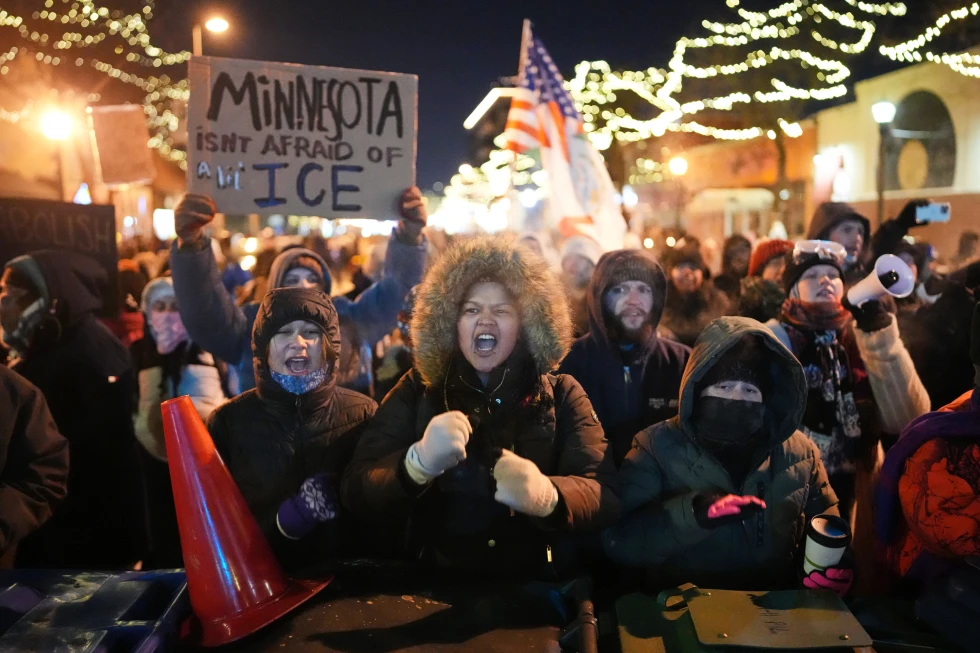
MINNEAPOLIS (AP) — If there’s been a soundtrack to life in Minneapolis in recent weeks, it’s the shrieking whistles and honking horns of thousands of people following immigration agents across the city.
They are the ever-moving shadow of the Trump administration’s Operation Metro Surge.
They are teachers, scientists, and stay-at-home parents. They own small businesses and wait tables. Their network is sprawling, often anonymous, and with few overall objectives beyond helping immigrants, warning of approaching agents or filming videos to show the world what is happening.
The situation has intensified despite a recent shift in tone from the White House following the weekend killing of Alex Pretti, which prompted the transfer of Gregory Bovino, a senior Border Patrol official known for his role in the immigration crackdown.
Activists in Minneapolis have rapidly organized to counter the heightened presence of ICE, which began with scattered arrests and escalated into a large-scale operation that has resulted in over 3,400 arrests. There are reports of ICE agents aggressively detaining individuals, including at schools and workplaces.
The community response has been swift, with volunteers delivering food to immigrants hesitant to leave their homes and mobilizing to track the movements of ICE vehicles. These volunteer networks communicate through encrypted apps to report sightings and offer immediate support to those being detained.
As the crackdown continues, activists express a mix of determination and frustration, knowing that their efforts may not end the threat but certainly provide vital support to those feeling the brunt of federal enforcement actions.
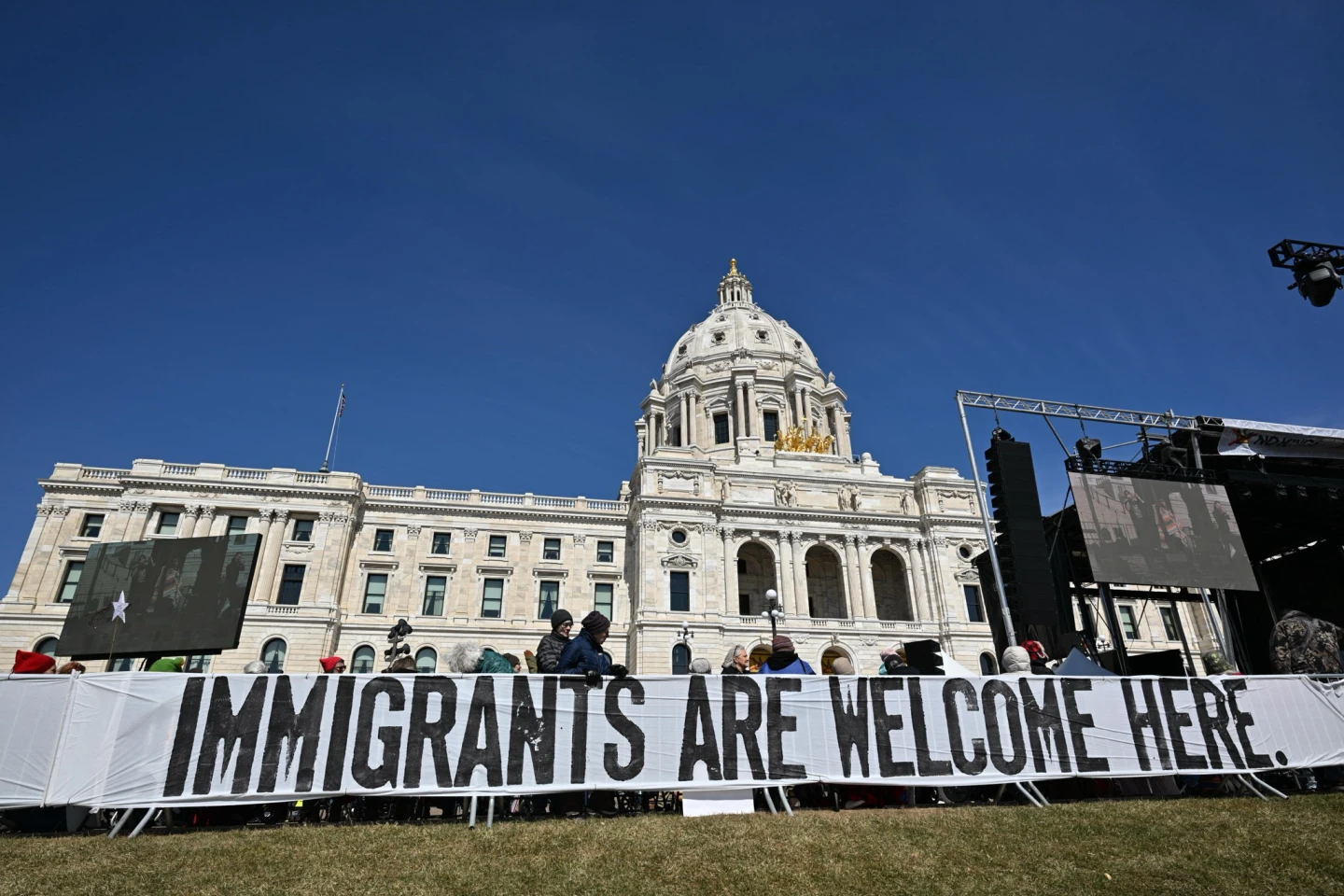
In the streets of Minneapolis, tension brews as protesters stand up to ICE operations, sometimes leading to confrontations that escalate quickly. Local leaders, however, emphasize the importance of alerting neighbors and standing in solidarity, showcasing the community's resilience in the face of adversity.