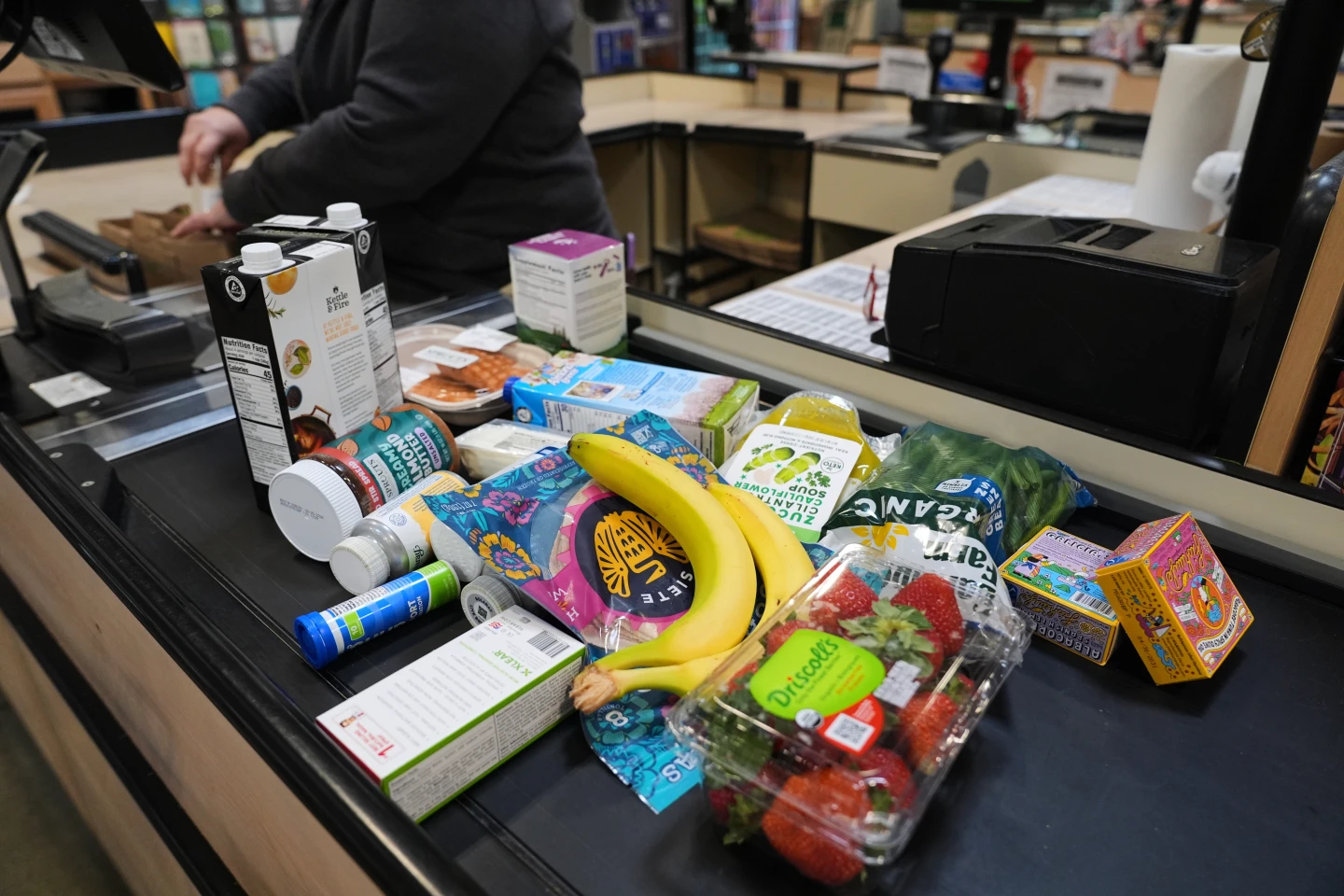
It’s up to the U.S. Supreme Court and Congress to decide when full payments will resume under the SNAP food aid program that helps 1 in 8 Americans buy groceries as financial pressures mount on families.
The court is poised to rule soon on a request from President Trump’s administration to continue blocking states from providing full benefits, as they argue that funds may be needed elsewhere.
The seesawing rulings have resulted in beneficiaries in states like Hawaii and New Jersey receiving full allocations, while those in others like Nebraska and West Virginia have seen none.
These legal issues could become irrelevant if Congress acts quickly to end the government shutdown. The Trump administration previously paused full funding for SNAP due to the shutdown, leading to multiple lawsuits and judicial back-and-forth that directly affects food access for 42 million Americans.
The administration agreed to provide partial funding, allowing recipients to receive up to 65% of their regular benefits, yet hesitated at a judge's recent order for full funding even at the cost of emergency reserves.
An appeals court has indicated that full funding should resume unless the Supreme Court intervenes further, creating a pressing situation as the Senate moves towards legislation to reopen the government, ensuring SNAP funding.
Speaker Mike Johnson has urged efforts to consider a bipartisan Senate proposal, while Trump indicates optimism that the shutdown may soon conclude. However, the timeline for resumed SNAP benefits remains unclear, leaving beneficiaries in limbo.
The situation's urgency is reflected in personal stories: Jim Malliard, a full-time caretaker, shared his anxiety over the pause in his SNAP benefits amidst ongoing family medical challenges, pushing him to rely on dwindling pantry supplies.