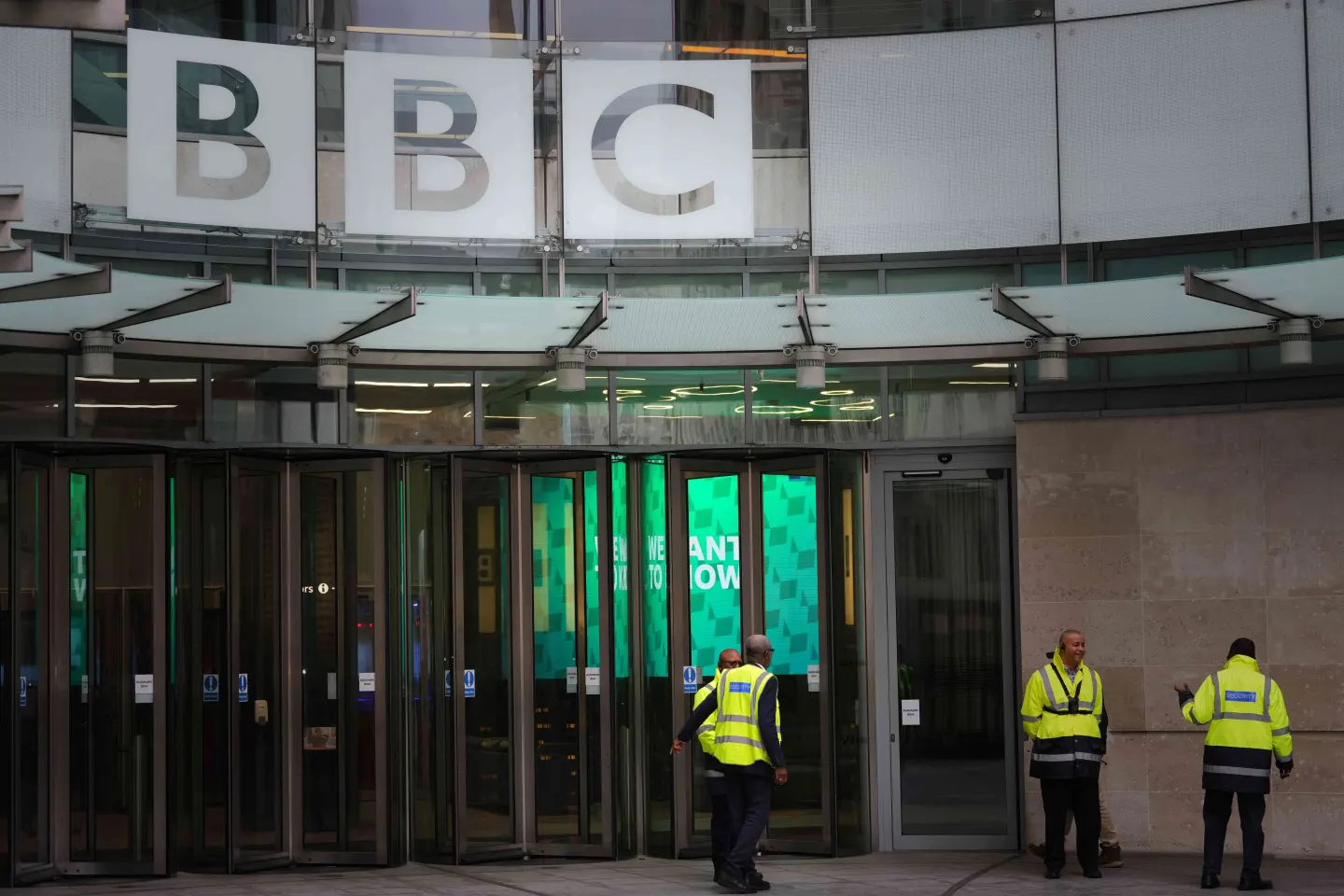
In the short span of months, ordinary journalistic responsibilities such as editing have triggered a major $16 million legal settlement, shifts in interview procedures at networks, and even high-profile resignations at the BBC.
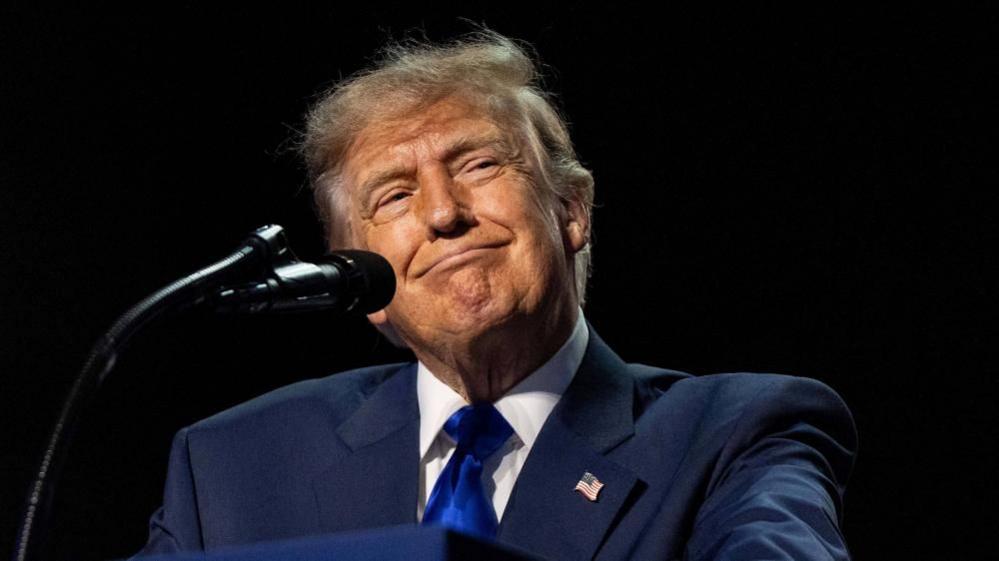
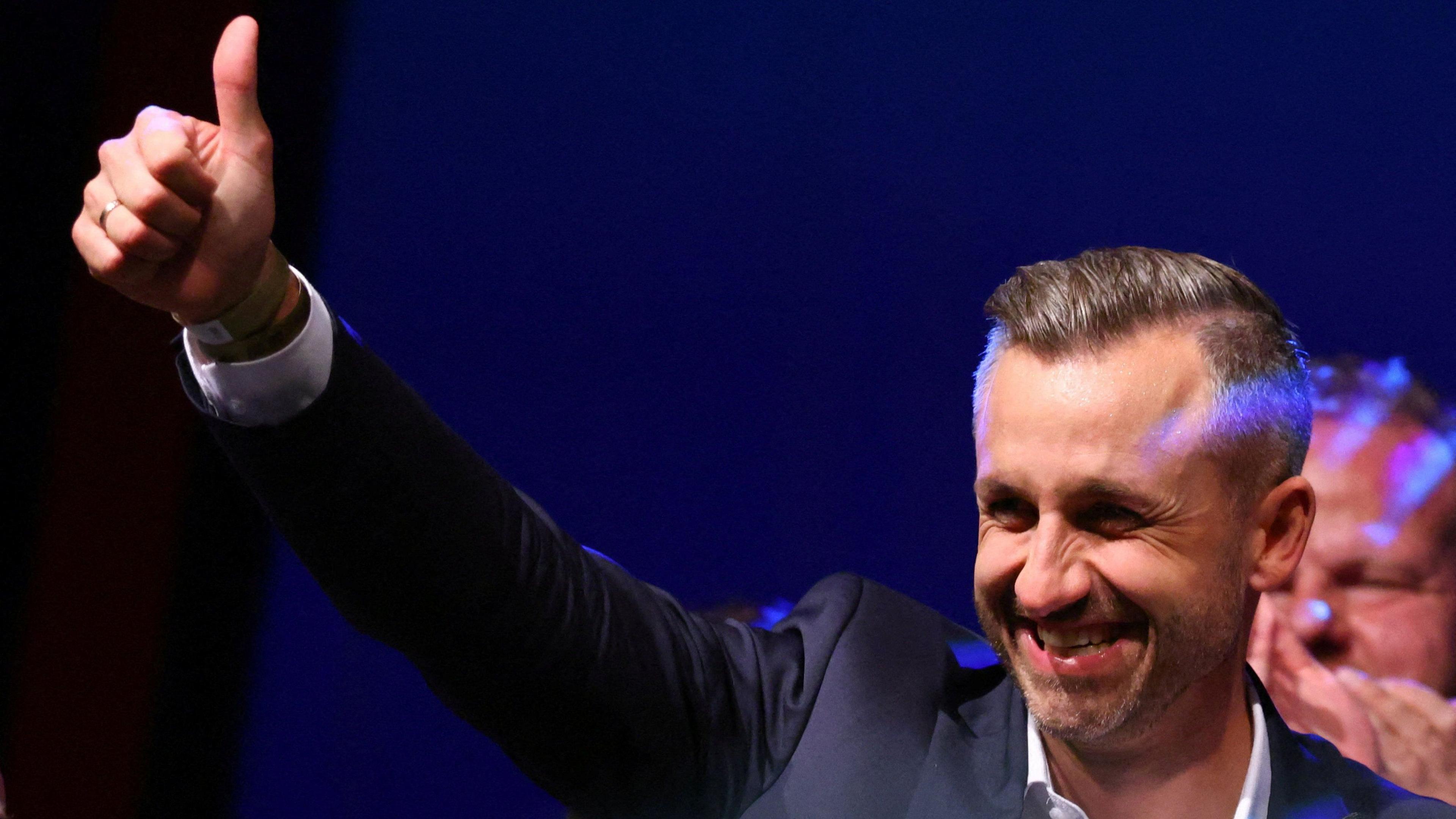
At the center of these upheavals is former President Donald Trump, whose influence now looms large over media practices. The BBC has recently lost its director-general, Tim Davie, and news chief, Deborah Turness, as a result of allegations regarding biased editing in the documentary 'Trump: A Second Chance.' The BBC acknowledged that its editing misrepresented Trump’s statements, splicing quotes from different parts of his speech delivered prior to the January 6th Capitol riots, making it appear he was inciting violence.
Trump has been adamant in contesting edits made by news outlets, recently taking legal action against CBS for how it presented an interview with Kamala Harris on '60 Minutes.' This lawsuit resulted in a substantial settlement over editing grievances, while more complaints about the editing of his secretary's interview prompted CBS to revise its editorial policy.
Historically, such editing with dubious intent would have been addressed with a simple apology, but experts argue the stakes are much higher now, as every editing decision is scrutinized and weaponized for political gain. Mark Lukasiewicz, a former NBC News executive, commented that today’s attention to media editing cultivates a sense of wariness within newsrooms globally.
Editing decisions that were once clandestine are now public fodder, as Trump and his allies exploit these issues to retaliate against journalists. Complaints have led to restricted access for media entities like The Associated Press for not aligning with Trump's narrative.
Instances of controversial editing are not new. The BBC incident is reminiscent of earlier missteps by networks, where edits raised ethical questions and prompted apologies. A notable example is the edited NBC report involving George Zimmerman, whose remarks were featured out of context, leading to a lawsuit. Such cases illustrate the ongoing struggle journalists face with balancing timely reporting and the integrity of the content.
Amid evolving media landscapes and the influence of social media platforms, pressure mounts on news organizations to adhere to strict accuracy while being responsive to rapid-fire content production. The rise of AI in creating deceptive media further complicates journalistic standards, distinguishing between authentic journalism and mere content generation.
In response to mounting scrutiny, many networks are enhancing transparency by releasing full, unedited transcripts of significant interviews, intending to curb potential backlash from editing decisions. CBS News, for example, promptly provided transcripts for edited interviews to mitigate critical responses.
As the intersection of politics and media continues to challenge the grounds of responsible journalism, the implications of editing practices resonate far beyond immediate controversies.