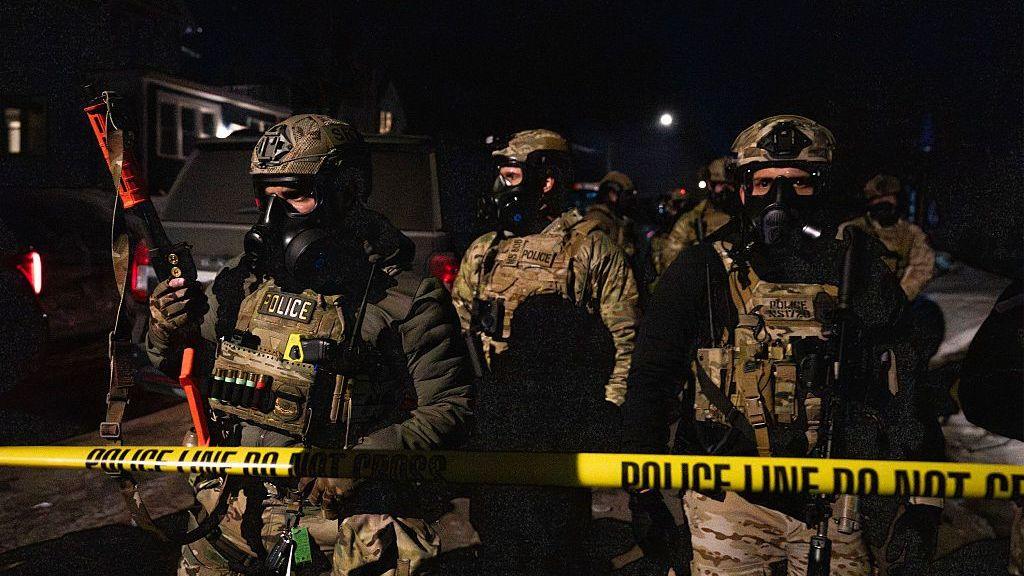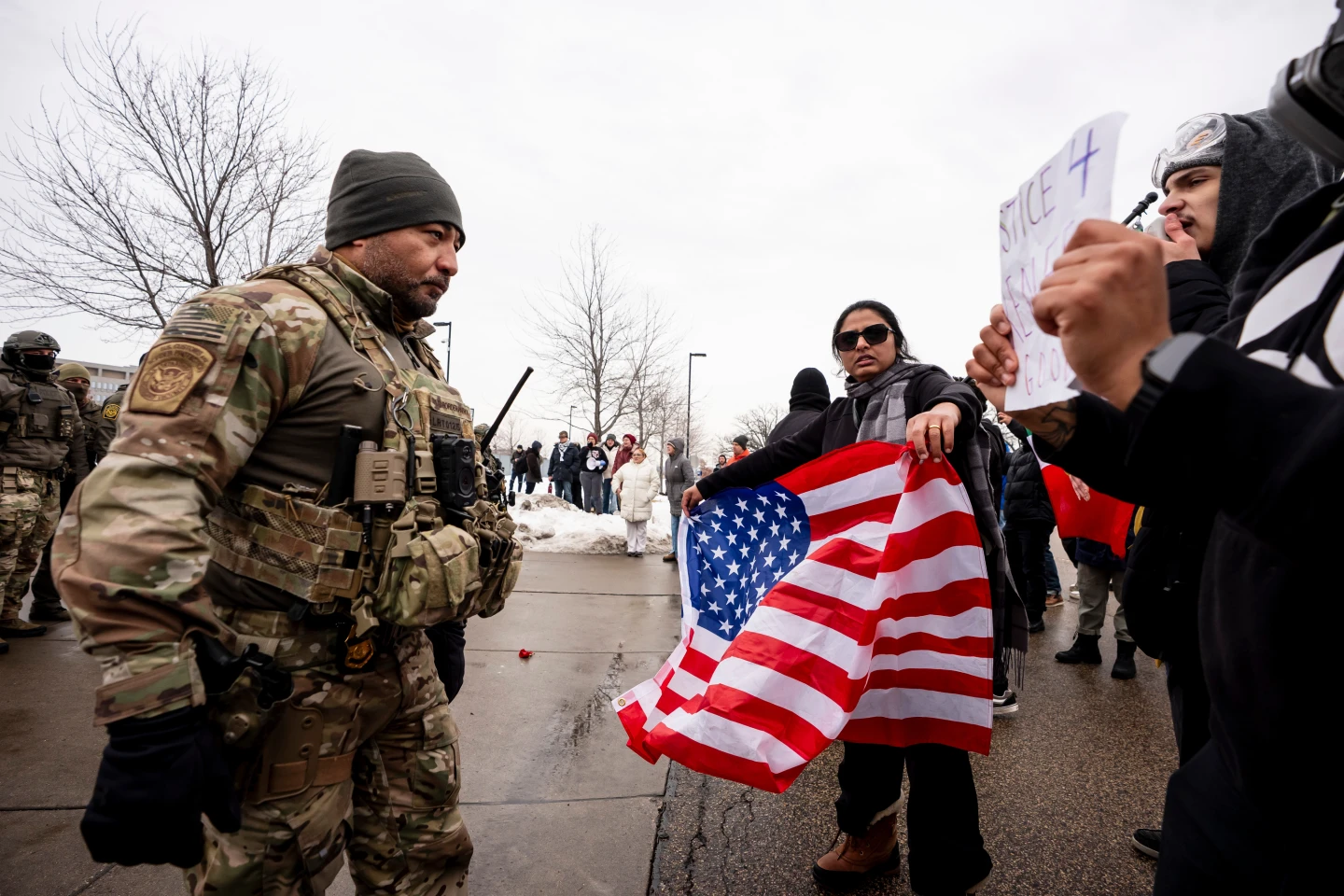
A day after a federal immigration officer fatally shot a woman in Minneapolis, tensions escalated as federal authorities blocked state investigators from accessing evidence and declared that Minnesota lacks jurisdiction to investigate the killing.
Legal experts emphasized that this case highlights an ongoing debate about whether federal agents conducting federally authorized operations can be subject to state investigations or legal actions.
The FBI has informed Minnesota law enforcement that they will not participate in the investigation into the shooting, which killed 37-year-old Renee Good. Local prosecutors are currently considering their options as federal authorities assert control.
Minnesota Governor Tim Walz has urged federal officials to reconsider their stance, warning that early public statements made by federal leaders could undermine public confidence in the investigation's fairness.
The Legal Landscape
Experts have pointed out that precedents for state-level charges against federal agents are narrow. Claims of immunity might be invoked under the Constitution’s Supremacy Clause, which provides protection for federal workers acting within their lawful duties. However, legal analysts argue that this protection is not absolute.
Challenges in Prosecuting Federal Officials
If charges are to be pursued, the federal agent involved could argue they are immune from state prosecution if their actions align with federal law and are deemed necessary for fulfilling their official duties. Minnesota Attorney General Keith Ellison has stated that despite federal restrictions, state officials can still conduct their investigation.
Federal Oversight Concerns
Governor Walz expressed concerns over federal officials' decision to rescind a cooperation agreement with state investigators, a move he warned could diminish public trust in the investigation.
Local authorities are concerned about the transparency of any findings resulting from the FBI's investigation, especially since they may not gain access to critical evidence if the investigation remains solely federal.
Public Reaction and Call for Accountability
The incident and the subsequent federal blockade have incited public outcry for accountability and transparency in law enforcement practices, particularly concerning the use of lethal force.
The situation is compounded by past incidents where failure to provide medical aid following police shootings led to administrative actions against officers involved.
All parties are now awaiting further developments as both federal and state entities navigate the complexities of this high-profile case.