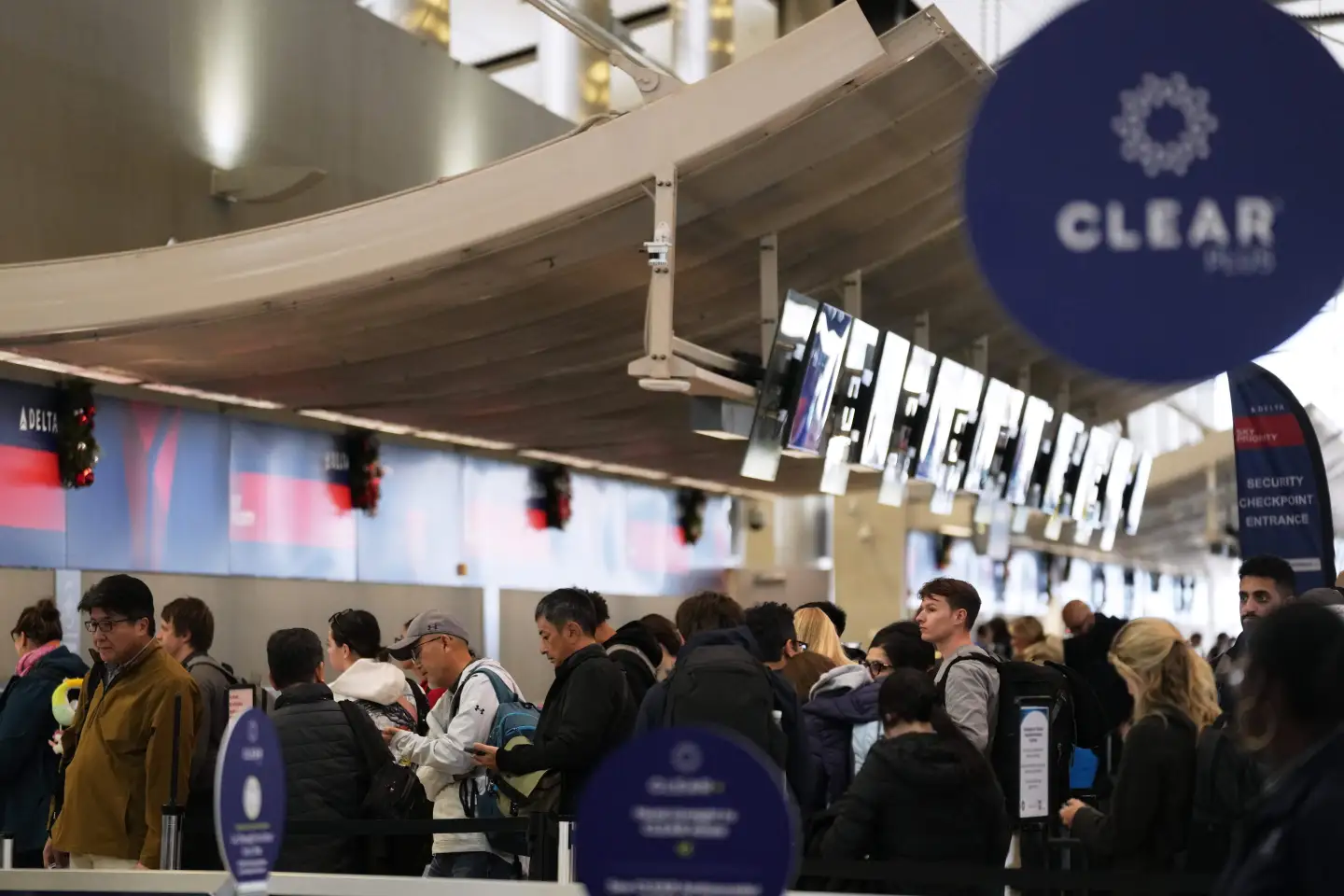
Foreigners looking to travel to the United States without a visa may soon face new demands from the Department of Homeland Security (DHS). Under a proposal released this week, travelers from countries included in the Visa Waiver Program could be required to provide extensive information regarding their social media interactions, email addresses, and family history prior to being permitted to travel. This proposed policy, which aims to enhance scrutiny of entrants, will affect citizens of over three dozen countries and is in line with the prior administration's heightened monitoring of foreign travelers.
The new requirements would entail submitting five years of social media history and other identifiers like past telephone numbers and email addresses. Customs and Border Protection (CBP) hopes to implement these requests as part of the Electronic System for Travel Authorization (ESTA), which currently simplifies travel for eligible countries without the need for an in-person embassy interview.
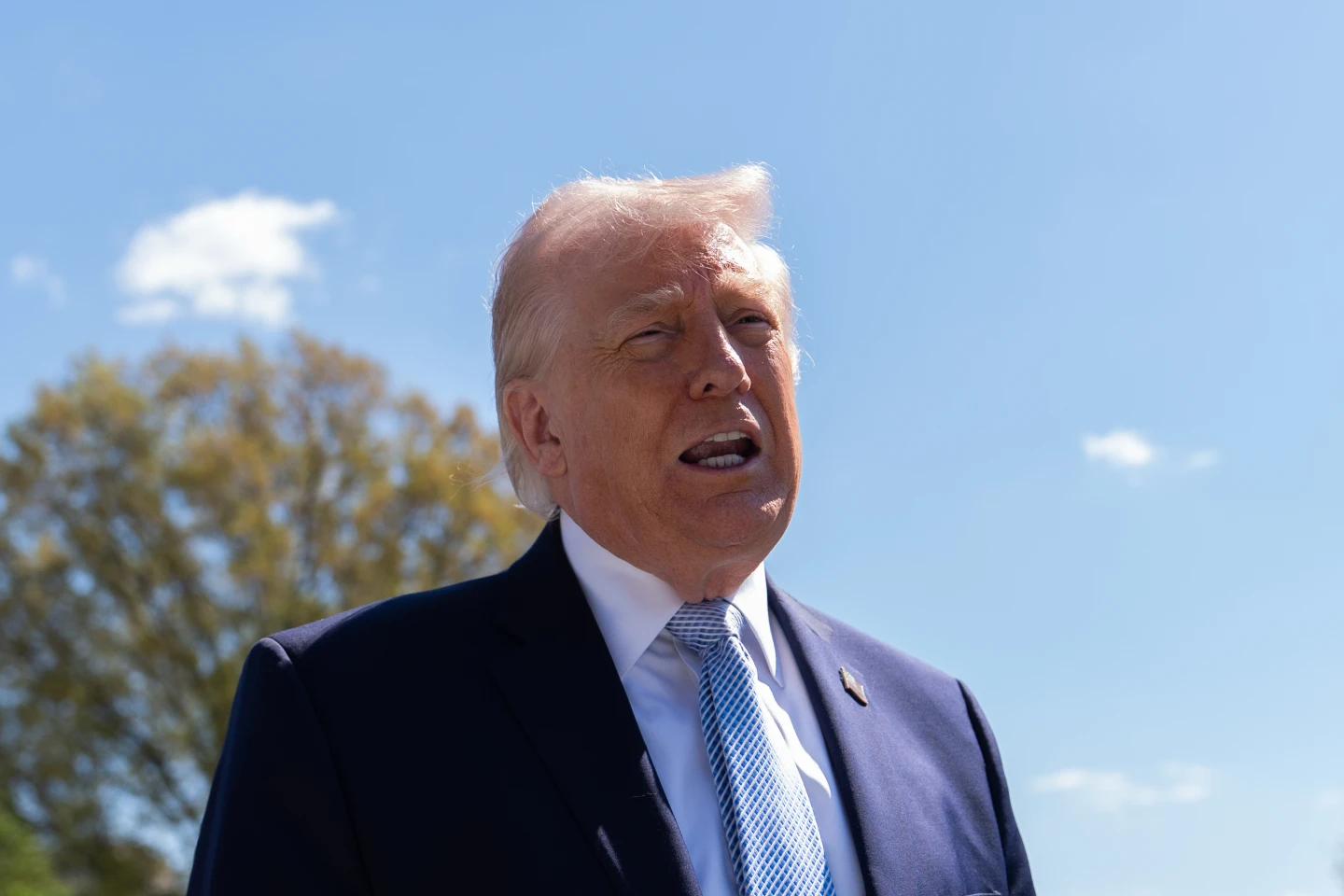
Despite concerns that these regulations could deter tourism to the U.S., President Trump expressed confidence in their necessity for national security, stating, 'We want safety, we want security, we want to make sure we’re not letting the wrong people come into our country.'
As the public has 60 days to provide feedback concerning the proposed changes, the CBP has indicated that the drastic measure aligns with an executive order signed earlier this year to increase the scrutiny of international travelers, following similar policies already imposed on individuals seeking visas.
Advocates for immigration reform have criticized the proposal, suggesting that it may infringe on freedoms by unfairly targeting individuals whose opinions may differ from those currently in power. The enforcement of these regulations will likely spark further debates about privacy, security, and the balance between accountability and freedom of expression.
The new requirements would entail submitting five years of social media history and other identifiers like past telephone numbers and email addresses. Customs and Border Protection (CBP) hopes to implement these requests as part of the Electronic System for Travel Authorization (ESTA), which currently simplifies travel for eligible countries without the need for an in-person embassy interview.
Despite concerns that these regulations could deter tourism to the U.S., President Trump expressed confidence in their necessity for national security, stating, 'We want safety, we want security, we want to make sure we’re not letting the wrong people come into our country.'
As the public has 60 days to provide feedback concerning the proposed changes, the CBP has indicated that the drastic measure aligns with an executive order signed earlier this year to increase the scrutiny of international travelers, following similar policies already imposed on individuals seeking visas.
Advocates for immigration reform have criticized the proposal, suggesting that it may infringe on freedoms by unfairly targeting individuals whose opinions may differ from those currently in power. The enforcement of these regulations will likely spark further debates about privacy, security, and the balance between accountability and freedom of expression.