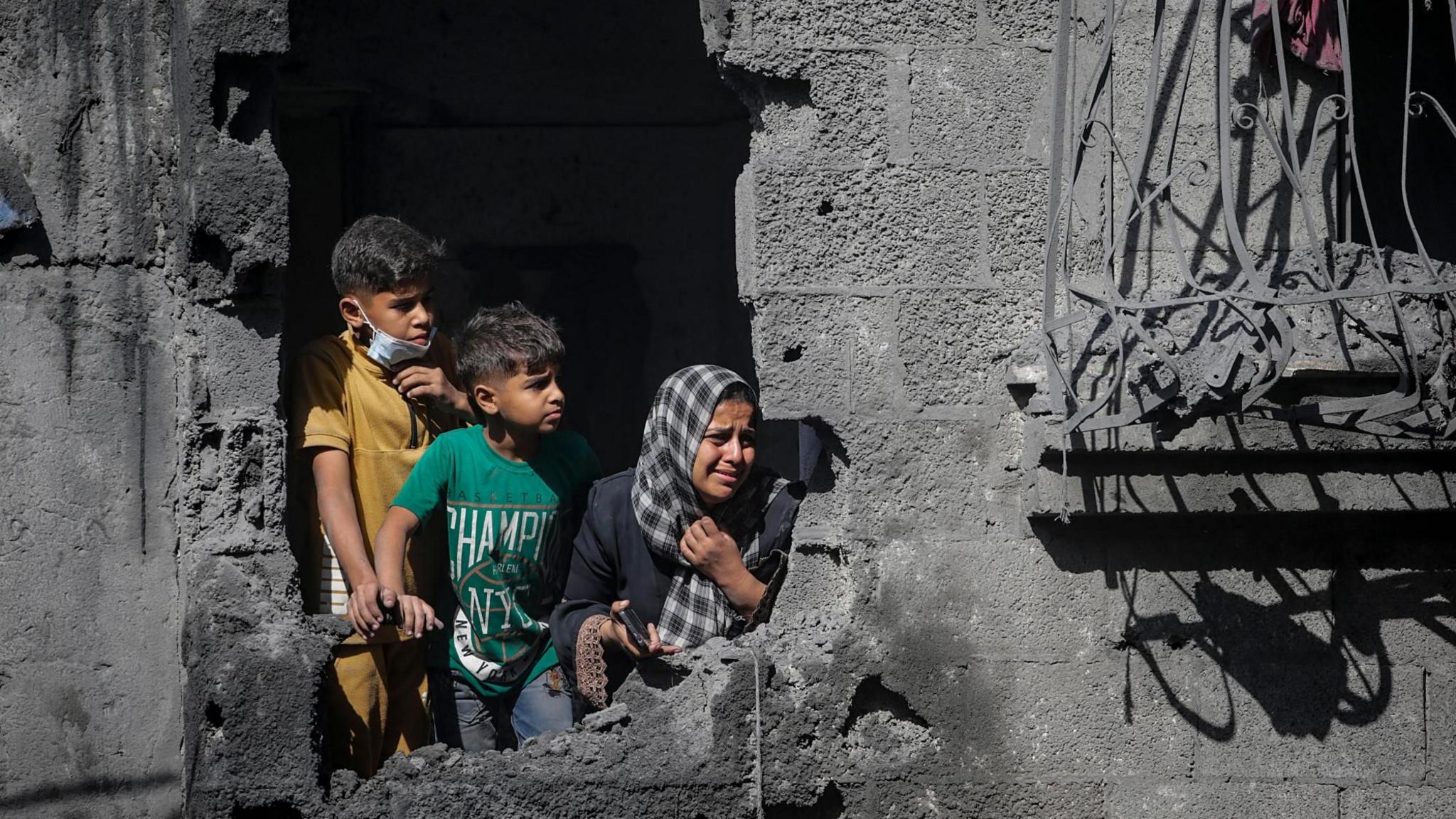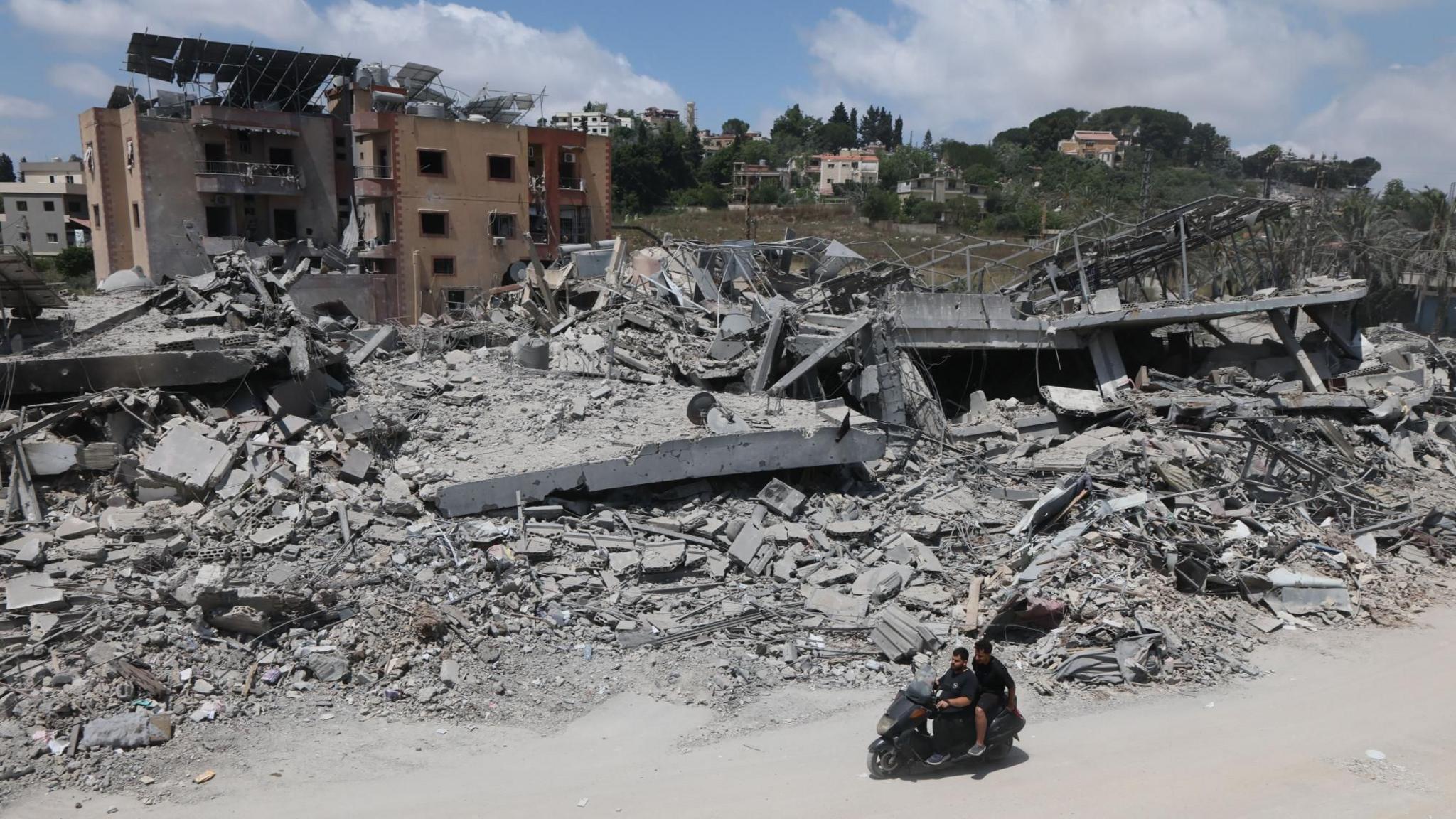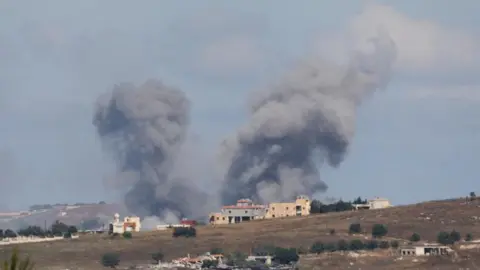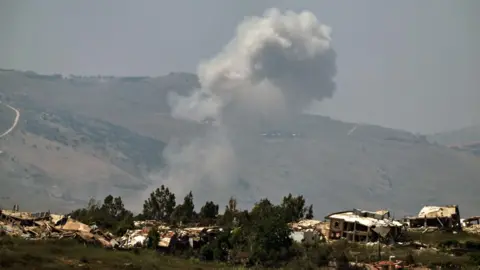
As the Israeli military escalates its offensive in southern Gaza, Nasser Medical Complex faces a catastrophic fuel shortage that could halt life-saving medical services. Doctors at the facility, the last functioning hospital in the region, raised alarms on Thursday as they stopped admitting patients due to the advancing Israeli ground troops in the nearby Khan Younis area. Witnesses report Israeli tanks and soldiers moved within close proximity, prompting the evacuation of local camps for displaced families.
Early on Friday morning, amidst this dire situation, medical personnel communicated their fears through messages, stating: "We are still working in the hospital. The tanks are just metres away. We are closer to death than to life." Their testimony coincides with attacks that left civilians injured by stray bullets and reports of widespread destruction nearby.
Despite claims of some humanitarian fuel reaching Gaza, hospitals continue to suffer from critical shortages. Nasser Hospital has reported that its electricity generators may only last for another day, leaving many patients in dire conditions, particularly those reliant on ventilators. "If power goes out, we face certain death," a medical staff member warned.
Last week, the World Health Organization's representative stated Nasser had become a "massive trauma ward", treating nearly double its intended capacity, with exhaustion setting in among medical staff. The continued influx of trauma cases, mostly related to recent attacks near aid distribution sites, has overwhelmed resources.
While Israeli military spokesman noted the supply of around 160,000 liters of fuel entering Gaza, they emphasized the distribution's responsibility lay with humanitarian organizations. As medical staff desperately seek to resume patient admissions, the risk of complete hospital shutdown looms, driven by both the lack of fuel and critical medical supplies.
In a parallel development, Israeli airstrikes continued, claiming lives, including those of a senior Hamas commander and several civilians. Amid negotiations for a potential ceasefire, Israeli Prime Minister Benjamin Netanyahu hinted at progress, yet Palestinian officials indicate stalled attempts due to ongoing disputes over aid and military presence in the area.
The conflict, which reignited on October 7 with a Hamas attack, has seen devastating casualties according to local health authorities, with figures surpassing 57,762 fatalities in Gaza. The ongoing humanitarian crisis raises further questions about the conditions affecting both medical provision and civilian survival amidst the conflict.